

Most customers are not shopping casually when a home service issue arises. Problems like roof leaks, faulty wiring, broken air conditioners, and burst pipes. People want a clear solution and a fast reassurance in such moments. They are more focused on finding a provider who can respond confidently and quickly and less focused on browsing various websites. This urgency is why most customers prefer to talk with a real person. A phone call enables them to confirm availability, ask instant questions, and explain the situation in their words. A live conversation provides instant feedback unlike online forms which feel uncertain and slow. Customers can gauge professionalism via responsiveness, clarity, and tone within seconds. Trust also forms faster via conversation.
Hearing a knowledgeable professional explain the timelines, pricing expectations, and the next steps that reduce anxiety. It shows that companies understand the issue and are prepared to handle it. Automated responses and forms rarely provide the level of reassurance during time-sensitive situations. Calls reduce hesitation in decision-making. Customers are more likely to move forward without delay when concerns are addressed in real time. A helpful and clear conversation shortens the gap between booking and inquiry and removes doubt. This means fewer lost opportunities and instant conversions powered by direct and human interaction for home service companies. This guide will show you why home service companies need a call-driven marketing strategy.
1. Calls Capture High-Intent Leads Better Compared to Forms
Not every lead has the same level of readiness. The way customers reach out shows how serious they are about booking in the home services industry. Phone calls tend to show stronger intent because they require direct engagement and instant action. Calls come from customers who want answers quickly unlike passive inquiries. This makes call-based leads valuable for companies that depend on confirmed jobs and timely decisions.
Why Are People Who Call Are Closer to Booking?
Customers who call mostly have a sense of urgency and a specific issue. They are looking for instant confirmation, pricing clarity, or availability instead of general information. A call enables them to assess the response and explain the issue in detail instantly. This back-and-forth helps customers to decide faster and leads directly to scheduling a service. Common signs of booking-ready callers are:
- Confirming timelines and service areas.
- Requesting clear estimates or pricing.
- Asking about next-day or same-day availability.
Phone Leads vs Form Leads: A Practical Comparison
Online forms are easy to submit, which leads to mixed-quality leads. Some customers are submitting various forms, browsing casually, and comparing options at once without urgency, a trend shown in mobile behavior, as by 2026, around 72% to 75% of Americans are expected to make purchases via mobile devices.
Phone leads involve more effort. The act of calling brings forward customers who are prepared to commit, decide, and talk and filters out low-interest users. Key differences in lead behavior:
- Phone conversations clarify requirements instantly.
- Callers expect real-time answers.
- Form leads might respond slowly or not at all.
More Job-Ready Customers and Fewer Tire-Kickers
Call-driven leads tend to be more realistic and focused about their requirements. Companies can instantly spot urgency, scope, and fit before investing time in follow-ups by speaking directly. This improves efficiency across operations and sales and reduces time spent on unqualified inquiries. Staff members can prioritize serious customers rather than chasing uncertain leads. Benefits of higher-intent leads:
- Higher chances of confirmed bookings.
- Better use of staff time.
- Shorter sales cycles.
📝For a deeper understanding, read “The Difference Between Leads and Inbound Calls (and Why It Matters)“. to see why phone leads represent higher intent compared to form submissions.
2. The Role of Urgency in Home Services
Urgency has a huge role in how customers behave whenever a home service issue arises. Problems create safety concerns or disrupt everyday life, which pushes people to get instant help instead of delayed responses. Clarity and speed becomes more important compared to browsing options in such moments. Understanding how urgency shapes customers actions helps to explain why real-time communication becomes important in home services.The faster a company can respond, the higher the chance of booking a job.
Emergency vs Non-Emergency Service Needs
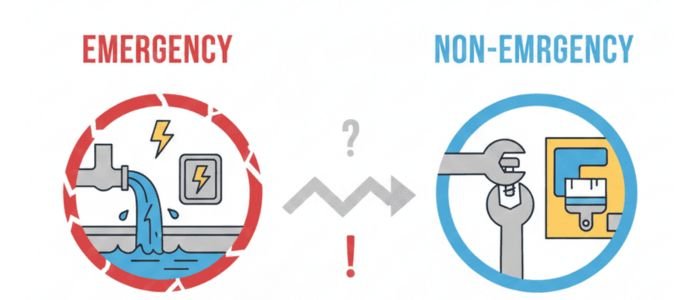
Not every service has the same level of urgency. Some situations require instant action and others allow time for comparison and planning. Emergency services include scenarios where delays can cause risk or damage. Non-emergency requests might still matter but allow customers to wait for a response. Examples of non-urgent and urgent situations:
- Non-Emergency: Inspections, upgrades, maintenance, routine.
- Emergency: no cooling or heating, electrical faults, burst pipes.
Why Calls Dominate in Urgent Situations?
Customers want immediate confirmation that help is available when time matters. Phone calls offer instant answers that emails or forms cannot match in stressful situations. A live conversation enables customers to feel reassured that someone is taking responsibility, confirm response time, and describe the issue. Such a direct interaction speeds up decision-making and reduces uncertainty. Reasons customers choose calls in urgent moments:
- Clear next steps without delay.
- Faster assessment of the issue.
- Instant human response.
Missed Calls Means Missed Revenue
Customers don’t wait in urgent situations. They contact the next service provider within minutes if a call goes unanswered. Missed calls delay service and result in lost jobs. Companies risk losing high-value and time-sensitive opportunities to competitors without a prompt response. Urgency-driven decisions show how important call responsiveness is in the home services market. Business Impact of answered calls are:
- Lower conversion rates during peak demand.
- Reduced customer trust.
- Lost emergency service bookings.
3. Trust-Building Starts Instantly Over the Phone
Trust shows who gets the job in home services. Customers are inviting someone into their homes during an urgent or stressful situation. Because of this, they look for signs of professionalism and reliability before making any decision. Conversations on the phone allow trust to build instant via direct human interaction. Hearing a real person’s voice gives reassurance that written communication will always lack.
Empathy, Reassurance, and Tone Matter
The way a service representative talks can influence how a customer feels. A confident and calm tone helps reduce stress when the problem feels disruptive or overwhelming. Empathy shows customers that their concern is understood via simple verbal cues, like acknowledging urgency or frustration, which helps to build rapport within the first few minutes of a call. Elements that strength trust during a call:
- Verbal acknowledgement of concerns.
- Active listening with any interruption.
- Steady and clear tone.
Instant Answer Create Confidence
Customers have questions about service processes, pricing, or timing. Such questions can be addressed immediately over the phone without any automated replies or delays. Quick answers help customers feel informed and reduce uncertainty. Such clarity makes it easy for customers to decide since they are guessing about the next steps or left waiting. Common questions callers expect instant answers to:
- What happens after the call.
- General pricing expectations.
- Response time and service availability.
Handling Objections in Real Time
Objections are a natural part of the decision-making process. Customers might hesitate because of past experiences with the company, timing, or cost. A phone conversation allows such concerns to be addressed as they arise. Call handlers can adjust recommendations, explain options, and clarify misunderstandings based on the customer’s requirements. Human interaction over the call creates a level of trust that is hard to get via indirect communication alone. Benefits of real-time objection handling:
- Higher chances of moving forward.
- Instant resolution of concerns.
- Reduce back-and-forth communication.
4. Local Presence Matters More in Call-Drive Advertising
Local presence strongly impacts response rates and customer trust for home service companies. They prefer providers who feel familiar and nearby when people need help. This local connection becomes important when communication happens over the call. Call-driven advertising benefits a lot from signs that reinforce proximity. Local cues help customers to feel more confident about making contact from phone numbers to messaging.
Local Numbers Increase Pickup Rates
Customers tend to place or answer calls when the number is local. A familiar area code makes the call feel relevant and reduces hesitation instead of automated or promotional. Local numbers show that the company operates within the customer’s service area. This detail can enhance call engagement and volume. Why local numbers perform better:
- Stronger local identity.
- Increased answer rates on mobile devices.
- Higher trust than toll-free or unknown numbers.
Geo-Targeted Call Campaigns Enhance Relevance
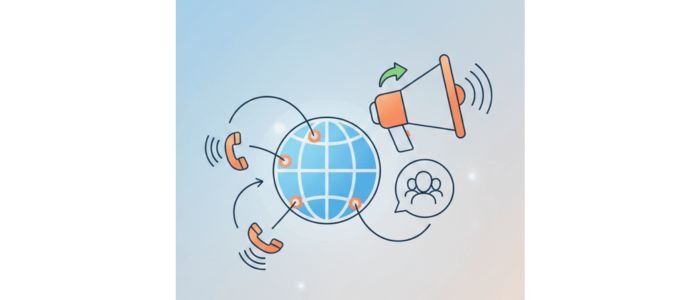
Geo-targeted campaigns enable companies to focus on certain service zones, cities, or neighbourhoods. This ensures that calls come from customers who are a good fit. Companies can respond more efficiently and accurately by aligning local needs with messaging. It also reduces wasted leads from areas outside the service range. Benefits of geo-targeted call strategies:
- Clearer expectations for both sides.
- Fewer out-of-area calls.
- Better lead quality.
Customers Trust Companies that Sound Local
Trust is rebuilt when a company understands local common issues, terminologies, and conditions. This familiarity can be heard on how solutions are explained and how issues are discussed over the call. Local trust signals customers respond to:
- Region-aware and confident communication.
- Clear service area confirmation.
- Knowledge of neighborhood-specific problems.
👉For home service companies looking for more reasons to invest in call-driven marketing strategies and how to do it, read “Boosting Brand Trust Through Localized Inbound Call Campaigns“.
5. How Call-Driven Marketing Fits Into a Modern Digital Strategy?
Modern digital marketing depends on various channels working together instead of a single tactic. Home service companies benefit when online visibility connects to real customer conversations. Call-driven marketing supports this method by turning digital interests into actions. Call strengthens other digital efforts. They help to convert attention into booked jobs and keep the customers experience efficient and personal.
Calls and Search Ads Work When Combined
Search ads capture customers at the moment when they need a solution. They allow customers to act instant with any extra steps when those ads include a call option phone calls shorten the path from search to service. Customers can confirm details right away and speak to a representative instead of waiting for replies or filling out forms. How calls enhance search advertising:
- Instant clarification of service requirements.
- Higher intent compared to click-only traffic.
- Faster response to urgent searches.
Call Strengthens the Impact of Local SEO
Local SEO helps companies to appear in nearby listings, maps, and searches. When customers find a local company, their next action is to call. Calls make local visibility effective by enabling genuine engagement. A solid local listing combined with easy call access enhances conversion rates and trust. Local SEO benefits supported by calls:
- Clear confirmation of service areas.
- Higher chances of contact from nearby customers.
- Enhanced engagement from map listings.
Calls Complement Social Media Advertising
Social ads prompt interest and raise awareness on mobile devices. Call options allow interested users to take the next step and social platforms are always linked with instant intent. Calls offer a direct connection when attention becomes action. This helps to close the gap between discovery and decision. Call-driven marketing functions best as a booster to digital channels, which supports stronger customer connections and faster decisions across platforms. Why calls work well with social ads:
- Reduced friction between contact and ad.
- Quick response to questions or interest.
- Mobile-friendly engagement.
📖For a detailed look at how Facebook Ads can drive real calls for home services, read “The Role of Facebook Ads in Generating Calls for Home Services“.
6. Call Tracking Shows What Digital Metrics Can’t
Digital metrics like impressions and clicks reveal only surface-level engagement, but don’t explain what happens after a customer reaches out. Understanding real conversations offer deeper insight into customer intent and lead quality for home services companies. Call tracking helps to bridge this gap between showing patterns that standard analytics cannot. Companies can get a clear view of what reall drives revenue and bookings by focusing on conversations rather than just numbers.
Call Durations as a Signal of Lead Quality
The duration of a call shows how serious a customer is. Short calls might signal low interest or wrong numbers and longer conversations suggest real service needs. Call duration helps to identify which inquiry deserves follow-up and attention. It shows trends in customer behavior that are not visible via clicks. What call length can show:
- Likelihood of booking.
- Level of customer interest.
- Service urgency or complexity.
Call Recordings Support Service Improvement
Listening to recorded calls offers insight into how customers’ interactions unfold. Such recordings help to identify common points of confusion, concerns, and questions. They also show opportunities to enhance accuracy, tone, and communication. This feedback supports more consistent service delivery and better customer experiences. How call recordings add operational value:
- Ensuring accurate information and data sharing.
- Improving response quality.
- Identifying training needs.
Identifying Which Ad Drives Real Conversations
Not every ad generates meaningful engagement. Some may consistently drive serious inquiries and others may attract clicks without leading to productive conversations. Call tracking connects calls to specific channels or campaigns. This makes it easy to understand which efforts result in real discussion rather than passive interactions. Call tracking provides insight into customer behaviour that digital metrics cannot completely capture. Insight gained from call-based attribution are:
- Areas where spending can be refined.
- Channels that lead to longer conversations.
- Ads that generate high-intent calls.
7. Call Volume Patterns and Seasonal Demand
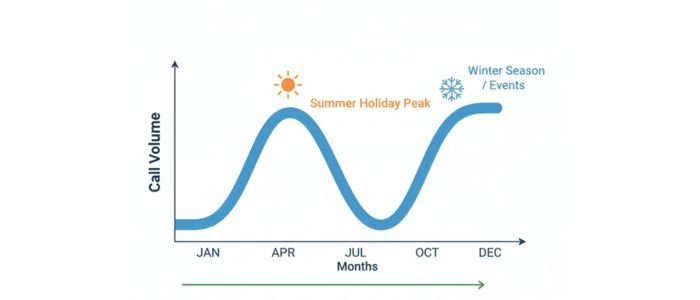
Home service demand stays consistent throughout the year. Seasonal conditions and weather changes affect when systems require attention or fail. This is why call volume rises sharply during specific periods. Phone calls offer a clear signal of such shifts since they happen in real time. Calls show instant customer requirements linked to current conditions unlike page views or clicks.
Call Spikes During Extreme Weather Conditions
Storms, cold spells, and heatwaves trigger sudden increase in service requests. Customers reach out instantly for help when systems stop working under stress. Calls surge since people need instant response times and confirmation of availability. Such spikes are less predictable via standard digital engagement metrics.
Why Seasonal Breakdowns Drive More Calls?
Seasonal changes place extra burden on home systems. Equipment that has been doing nothing or overworked fails during such periods. Customers prefer direct communication when breakdowns happen. A phone call enables them to get guidance without delay and explain the issue clearly. Reasons calls increase during seasonal failures:
- Faster problem assessment.
- Desire for instant reassurance.
- Urgent need for replacement or repair.
Preparing Staff for High-Call Periods
Understanding seasonal call patterns helps companies plan ahead. Companies can adjust response strategies and staffing before peak periods arrive. Proper preparation ensures that customers get consistent service and calls are answered promptly during busy times. Seasonal call patterns show how phone activity reflects real-world demand precisely compared. Steps to manage seasonal call surges:
- Effectively prioritize urgent calls.
- Train staff for common seasonal issues.
- Adjust staffing schedules during peak seasons.
🛒 Remodeling contractors can connect with paying customers faster by choosing to buy bathroom remodeling leads online.
8. How Calls Improve Job Matching and Quote Accuracy?
Proper job matching and accurate quotes are important in home services. Companies risk inefficient dispatching, pricing disputes, and wasted time when expectations are unclear. Phone calls help to reduce such issues by allowing clarification before any work is scheduled. Direct conversations offer context that messages and forms usually miss. This results in smoother service delivery and better estimates.
Gathering Job Details Instantly
A phone call allows customers to explain the problem in their own words. Service providers can gather the details required to assess the situation accurately and ask follow-up questions instantly. This two-way exchange helps to identify potential, scope, and urgency complications at an early stage of the process, reducing the need for multiple follow-ups. Details commonly clarified during calls are:
- Safety concerns or time sensitivity.
- Accessibility and location.
- Severity and nature of the issue.
Avoiding Mismatched Expectations
Misunderstandings occur when companies and customers have various assumptions about the work involved. Calls help to align expectations before a professional is dispatched. Companies can prevent frustration on both sides by discussing possible results, timelines, and pricing ranges. Teams are better prepared when customers know what to expect. Common expectations gaps addressed by calls include:
- Exclusions or limitations in service.
- Time required to complete the job.
- Actual work needed versus estimated costs.
Sending the Right Professional for the Job
Precise information collected over the call helps to dispatch a suitable professional. Various jobs require unique experience levels, tools, or skill sets. Matching the right professional from the start increases the chances of resolving the problem on the first visit and improves efficiency. Benefits of better job matching are:
- Better use of staff experience.
- Improved first-time resolution rates.
- Fewer repeat visits.
Operational Efficiency Improves Better Call Intake
Operations become more streamlined when calls are effectively handled. Experts arrive prepared and schedulers can plan routes better. This supports a more consistent customer experience across all service calls, while lowering costs and reducing delays.
9. Call Data Helps Identify Service Gaps
Customers’ calls have valuable information, and every conversation shows unmet requirements, expectations, and real concerns. Call data becomes a practical feedback look for enhancing service offerings when reviewed collectively. Calls capture real-time and honest reactions unlike reviews or surveys. This makes them useful for finding gaps that might not be visible via standard reporting.
Repeated Customer Complaints Show Weak Points
When the same problem comes across various calls, they point to communication or operational issues. Such patterns might relate to service consistency, pricing clarity, or response times. Tracking repeated complaints helps companies to focus on the urgent areas for improvement rather than depending on assumptions. Common complaint themes found in calls are:
- Inconsistent service results.
- Confusion around estimates or pricing.
- Delays in scheduling or responding.
FAQs Show Clarity Gaps
Calls include the same questions about processes, coverage, or services. It shows that information might not be accessible or clear elsewhere when customers repeatedly ask for clarification. Understanding such questions allow companies to set better expectations before service starts and improve communication.
Requests for Services Not Currently Provided
Customers call with needs that fall outside a company’s current service list. Such calls might not convert instantly, but they provide insight into the latest market demand. Tracking such requests help to identify opportunities for partnerships or expansions. It shows where customer expectations have shifted. Service gaps signals from call data are:
- Interest in follow-up or bundled services.
- Demand for related maintenance plans.
- Requests for after-hours service.
Calls Create an Ongoing Feedback Loop
Each call adds to an expanding pool of customer insight. The feedback helps to adjust operations, improve communication, and refine services over time. Companies can stay aligned with the real demand and respond to customers more accurately by paying attention to call data.
💡For a broader view of the most effective advertising channels for home service companies and how calls integrate with them, see “Top 3 Advertising Channels for Home Service Businesses“.
10. Mobile Search Behavior Drives Call-First Actions
Mobile devices have changed how customers look for home services. Most searches happen when customers are dealing with an active issue and require help instantly. Convenience and speed shape how they take action in such moments. Calling is the fastest way to move from search to solution for mobile users. Such behavior makes phone calls a natural response to mobile-based service searches.
“Call Now” Behavior on Smartphones
Smartphone users choose options that require a few steps. It offers instant access to assistance when a “call now” button shows up in listings or search results. This behavior is common for urgent home service needs. Customers tend to tap on a button and talk to a real person instead of navigating through forms or pages.
Click-to-Call Usage Simplifies Contact
Click-to-call features remove friction from the customer journey, making them connect quickly with a company instead of filling out forms or coping numbers. This simplicity increases the chances of contact for customers on the move. It aligns with how mobile devices are made for instant interaction.
Why Click-to-Call is Effective?
- Faster engagement.
- No form completing or typing.
- One-tap connection.
Mobile Users Want Quick Response
Mobile users means instant intent. Customers expected instant answers. A live phone conversation meets these expectations by offering reassurance in real time and clarity. This fast interaction helps users to reduce uncertainty and decide faster. Mobile call-first behaviour shows how smartphones drive instant decision-making in home services. Expectations common among mobile search users:
- Human interaction without any delay.
- Clear next steps.
- Instant availability confirmation.
11. Calls Help Small-Sized Home Service Companies Compete Locally
Smaller scale home service companies compete with famous franchises that have broader visibility and huge budgets. It does not always show who gets the most local jobs even though brand recognition matters. Direct phone conversations give smaller companies more chances of standing out via personal service and responsiveness. Calls level the playing field by enabling local companies to connect with customers directly. This human interaction can outweigh company size when availability and trust matter most.
Competing with Big Companies
Big companies depend on standardized responses and structured systems. This method can feel impersonal to customers who want instant help even though it is efficient. Small companies can use phone calls to adapt to specific situations and respond faster. Speaking with a local company directly feels more reassuring and accessible.
Building Personal Connections with Customers
Personal connection plays a solid role in local service decisions. A phone call enables customers to hear the person behind the company. Local contractors can build rapport by responding with empathy and listening carefully. This personal touch helps customers to feel valued and understood.
Getting Jobs via Service Quality
Customers choose companies based on how confident they feel after the first conversation. A helpful and clear call can leave a solid impression. Small companies can show reliability and professionalism by showing readiness to help, setting expectations, and explaining the process.
Calls Reinforce Reliability and Local Trust
Local companies benefit from being perceived as part of the community and calls reinforce this perception by making the company feel present and approachable. When customers feel that they can easily reach someone nearby, they choose that company over an impersonal or distant option.
🚀 Appliance repair companies can reach customers faster by choosing to buy appliance repair leads online, connecting with those seeking help actively.
12. Reducing Cancellations and No-Shows via Phone Confirmations
Phone confirmations help in reducing no-shows by creating a clear verbal commitment between the company and the customer. When customers confirm appointments over the call, they follow through and remember the details. A live conversation allows both sides to confirm service scope, location, and timing, which reduces misunderstandings. Verbal confirmation gives customers a chance to reschedule in advance and ask last-minute questions. These simple steps lowers cancellation rates and increases accountability for time-sensitive home service appointments.
13. Calls Create a Clearer Path from Inquiry to Job Completion
Call → Assessment → Booking → Service
Phone calls create a structured flow from the initial inquiry to completed services. The expectations are set, details are clarified, and the problem is assessed. This results in booking the job with precise information. The service teams arrive prepared after scheduling, which reduces errors or delays. This clear progression from call to assessment, booking, and service helps to ensure better customer satisfaction and smoother operations.
The Cost of Missed Calls for Home Service Businesses
Each incoming call means a potential job for home service companies. The impact goes beyond a missed conversation when calls go unanswered. It leads to missed opportunities, reduced trust, and lost revenue that never returns. Missed calls are costly in a service-based market where customers are looking for instant solutions. The timing of a response can influence who gets the most jobs.
Revenue Loss From Unanswered Calls
An unanswered call means a lost opportunity to book a job. Customers calling for help are ready to schedule work during urgent situations. The opportunity disappears instantly when no one answers. Callers wait for a callback or may never try again unlike form submissions. Financial impact of missed calls:
- Reduced overall conversion rates.
- Fewer emergency or same-day bookings.
- Lost high-intent service requests.
Missed Calls Send Customers Toward Competitors
Home service customers contact various companies until someone answers. If one company does not answer, the next one is only a call away. The behavior makes missed calls more damaging. Even the most loyal customers might opt for another company if they cannot get a timely response when they require help. Common results of unanswered calls are:
- Long-term damage to brand trust and reliability.
- Reduced chances of repeat customers.
- Customers book with faster competitors.
🔗For more on why inbound calls lead to higher conversions compared to web leads, check out “Why Local Inbound Calls Convert Better Than Web Leads“.
Why Speed Matters in Service-Based Decisions?
Speed is a deciding factor in home service companies. Customers link instant responses with reliability and professionalism. A fast answer shows that the company is ready to help and organized. Delays increase stress for the customer and doubt. Reasons respond speed impact decisions:
- Faster responses create trust and confidence.
- Customers want clear next steps instantly.
- Urgent problems require instant confirmation.
Missed Calls Impact Customer Experience
Missed calls affect how customers think of a business. Being unable to reach customers during a moment of need can feel impersonal and frustrating. Repeated missed calls can reduce referrals and weaken reputation over time, even if the quality of service is good. Missed calls mean lost revenue, customer trust, and increased competition in home services. Customer experience risks linked to missed calls:
- Reduced chances of recommendations.
- Lower satisfaction before service even starts.
- Increased frustration during urgent situations.
Final Thoughts
Call-driven strategies show how home service customers act and think when problems arise. From the moment of urgency to the final service delivery, phone conversations create confidence, speed, and clarity. They allow companies to build trust via direct interaction, understand needs precisely, and respond in real time. Calls act as a bridge between real-world service and digital visibility in an industry shaped by reliability and timing. When calls are handled well, they support more consistent results, stronger customer relationships, and better decisions without adding any unnecessary difficulty.
🔥For HVAC companies looking to connect with ready-to-book customers, you can buy AC repair leads onlineand start generating high-intent and exclusive call leads today.
FAQs
Are phone leads better than form leads for home services?
Yes, phone leads perform better compared to form leads for home services. They also show higher intent and are closer to booking.
Why are calls necessary during emergency service situations?
Calls are necessary during emergency service scenarios because customers require fast confirmation of availability and response time.
Why do mobile users prefer calling home service companies?
This is because calling requires only a few steps and it is a faster way to connect with home service companies.
Do small and medium-sized home service companies benefit more from calls?
Small and med-sized home service companies benefit from calls to compete by building faster responses and personal trust.
How do calls fit into digital marketing strategies?
Calls fit perfectly into digital marketing strategies for home service companies because they work alongside social ads, local listings, and search ads to convert interest into action.


Leave a Reply