


Local plumbing companies operate in a high-pressure and fast-paced environment. Most clients read out when a problem demands instant attention. A leaking water heater, a blocked drain, or a burst pipe rarely gives customers time to fill out long contact forms or browse websites. They want to talk to someone and want help right away who can fix the issue. Such an emergency-based demand creates a unique challenge for plumbers. Each missed call means a missed job and customers do not wait when phones go unanswered. They call another plumber and move on to the next listing. Even the shortest delay can result in lost revenue during late-night emergencies or peak hours.
Local plumbers face intense competition in online search results at the same time. Dozens of companies target the same keywords and service areas. Directories, map listings, and paid ads compete for attention. As the global plumbing market grows from $105.2B in 2023 to about $120B by 2026, competition is expected to increase even further. Standing out in this competitive space needs more visibility and requires instant connection. This is where call-driven leads become important. Phone calls enable plumbers to speak with clients who want services. Calls filter out price shoppers and casual browsers. They connect customers with companies who need services. Phone calls lead to higher-value jobs, close at higher rates, and convert faster compared to form submissions. Calls are lead and opportunities for local plumbers.
The Common Problems Plumbers Faced Before HoomAdvertising
Most local plumbers struggled with marketing systems that did not provide results before switching to call-focused advertising. The leads they got lacked intent or urgency while their services were in high demand. Such issues affected overall business growth, scheduling, and revenue.
a. Low-Quality Web Leads
Most plumbers depend on website forms to get leads. Such forms attracted users who were only comparing options or browsing. Plumbers spent time responding to inquiries that did not convert to real jobs. Follow-ups became unproductive and frustrating. Web leads lacked context and important details like service type, location, and urgency were missing. This made it difficult to respond instantly and prioritize jobs. Plumbers invested in time without seeing any return in most cases.
b. Price Shoppers Wasting Time
Price shoppers were another serious problem. Most leads contact various plumbers asking for rough estimates. Such conversations did not lead to confirmed jobs, and they consumed time that could have been spent serving real clients.
Why Price Shoppers Hurt Small Plumbing Companies?
- Reduced focus on high-value emergency jobs.
- Pressure to undercut pricing.
- Long phone calls with no booking results.
c. Paying for Clicks That Never Converted
Traditional PPC (pay-per-click) marketing caused continuous frustration. Plumbers paid for each click even if the visitors never connected with them. A huge portion of ad budget went toward traffic that showed next to zero intent to hire.
Common PPC Pain Points
Plumbers could never identify which clicks produced revenue. This made results unpredictable and optimization difficult without call tracking.
- Rising costs with little results.
- Pressure to undercut pricing.
- Long phone calls with no booking results.
d. Inconsistent Call Volume
Unpredictable call volume made everyday operations very challenging. Some days gave too many calls and others were quiet. Such inconsistency affected income planning, scheduling, and staffing. Plumbers found it difficult to plan their workdays and technicians were either underutilized or overbooked. Such imbalance led to ineffective use of resources or stress.
e. Poor-Targeting Outside Service Areas
Another issue was poor geographic targeting, and ads reached people outside the plumber’s real service area. This led to calls that were declined, which wasted money and time.
Problems Caused by Weak Location Targeting
Plumbers paid for exposure but did not align with their company goals without precise local targeting. This lack of control reduced overall marketing efficiency and limited growth.
- Frustrated staff and callers.
- Lost ad spend on irrelevant leads.
- Calls from unsupported neighborhoods or cities.
Why Plumbers Choose HoomAdvertising for Getting Exclusive Leads?

The decision to switch marketing strategies came after repeated frustration with traditional digital channels for many local plumbers. Results felt difficult to measure and unpredictable despite steady spending. HoomAdvertising provided a different approach, which focused on real conversation.
1. Shift from Web Leads to Inbound Calls
Plumbers start noticing a clear pattern in their business, where customers who called wanted to book a service. Inbound calls allowed plumbers to understand the issue right away and created instant interaction. Phone conversations helped in building trust instantly. Plumbers could respond in real time instead of waiting days or hours for form responses. This shift increased booking rates and reduced delays for urgent service requests.
2. SEO (Search Engine Optimization)
It required ongoing effort and long timelines, while SEO helped improve online visibility. Most plumbers ranked well but they still struggled to turn website visits into real and paying jobs. Only traffic did not guarantee conversion. SEO placed plumbers in highly competitive and ranked spaces. Visitors compared various providers even with solid rankings. HoomAdvertising complemented SEO by capturing callers who wanted to hire.
3. Local Intent Targeting
Local intent played a huge role in the decision. HoomAdvertising enabled plumbers to focus on customers only within their service areas. This improved efficiency and prevented wasted calls from distant locations.
Benefits of Local Intent Targeting
Targeting local intent ensures every call has value and plumbers could focus on jobs that they could make revenue from.
- Reduced time spent declining out-of-area requests.
- Higher likelihood of same-day bookings.
- Calls from nearby clients.
4. Ability to Control Call Duration and Quality
One major benefit was the ability to filter call quality, and plumbers could set minimum call durations to avoid accidental or spam calls. This added an additional layer of protection for ad budgets. This control gave plumbers the confidence in the leads they got, and spending time on the phone became more productive.
Call Quality Controls Plumbers Valued
- Reduced low-intent conversations.
- Screening for real service inquiries.
- Minimum call length requirements.
5. Better ROI via Google Paid Ads and Bing Paid Ads
Most plumbers compared results against platforms they had already tried and tested. Lead marketplaces sold the same leads to various companies. This reduced close rates and increased competition. Google Ads were costly but widely used, and plumbers paid high rates for keywords without having to see consistent bookings. Irrelevant traffic and click fraud added to the problem
HoomAdvertising provided value by charging for genuine calls. Bing Ads delivered low volume and were cheaper. Call quality varied, and most plumbers found inconsistent results. Limited reach reduced the company’s growth potential. Call-driven marketing campaigns produced more reliable engagement than mixed-quality traffic.
6. Social Media Paid Ads
Social media ads created awareness and rarely produced urgent service calls. Most leads came from people casually scrolling and not actively looking for help. HoomAdvertising stood out by providing callers who required instant assistance. Such alignment with customer intent made the decision easy for plumbers who were looking for reliable growth.
📖 Social media ads create awareness but rarely result in urgent service calls. Most leads are casual browsers who are not ready to book. To learn how platforms like Facebook can be optimized to generate real inbound calls, see “The Role of Facebook Ads in Generating Calls for Home Services“.
5 Key Factors Behind Successful Plumbing Marketing Campaigns
The success of applied plumbing marketing campaigns was exceptional, as every result came from a strong strategy built around control, timing, and intent. Plumbers were able to improve overall performance and attract better customers by focusing on when and how customers searched for help.
i. Local Targeting Precision
Accurate local targeting had a main role in campaign success. Ads were shown only to users within the defined service area. This ensured that each incoming call came from a location the plumbers could really serve. Precise targeting improved response time and reduced wasted spend. Plumbers didn’t have to decline calls from far away neighborhoods. Every interaction felt worth the effort and relevant.
Benefits of Solid Local Targeting
- Improved customer satisfaction.
- Less time spent on unqualified calls.
- Higher chance of same-day service.
ii. Call Duration and Screening Filters
Call screening tools helped a lot of plumbers to safeguard their budgets. Low-value calls were filtered out at the early stage by setting minimum call duration requirements. This included accidental clicks, wrong numbers, and spam. Longer calls meant serious intent and real issues. Plumbers could focus on real conversations that resulted in bookings.
How Call Filters Improved Lead Quality?
- Higher booking rates per call.
- Better use of employee time.
- Reduced automated or fake calls.
iii. Peak-Hour Scheduling
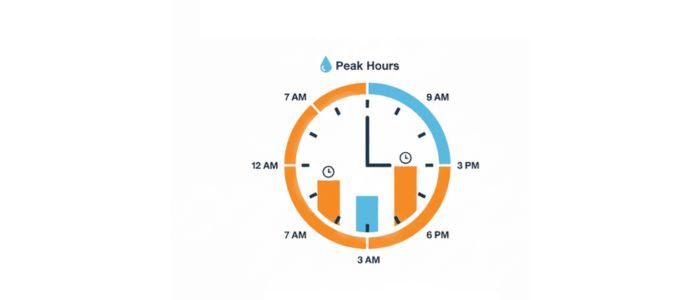
Running ads during peak hours made marketing campaigns efficient. Plumbers focused on budgets on time when customers had more chances of calling. Weekends, evenings, and early mornings produced the strongest outcomes. Scheduling ads around availability ensured that calls were answered instantly. Instant response times improved conversion rates and increased trust. Common peak hours for plumbing calls include:
- Weekend service needs.
- Evening household issues.
- Early morning emergencies.
iv. Emergency Keyword Focus
Emergency keywords attracted high-intent customers. Searches related to broken pipes, backups, and leads that showed instant needs. Such callers were not comparing options because they wanted instant solutions. Focusing on urgent terms increased the average job value. Emergency services required higher service fees and instant dispatch. Examples of high-intent emergency searches are:
- Water heater leaking.
- Clogged drain emergency.
- Burst pipe repair.
v. Continuous Optimization
Marketing campaigns were adjusted and reviewed. Performance data helped which time slots, locations, and keywords worked best. Weak areas were removed and refined. This continuous optimization kept results steady and costs controlled. Small improvement results in consistent growth with the passage of time.
Optimization Actions That Drove Results
Plumbers created campaigns that provided measurable and reliable growth by combining constant refinement, smart timing, quality controls, and accurate targeting.
- Adjusting call schedules and filters.
- Expanding high-converting service areas.
- Pausing low-performing keywords.
📝 Plumbers realized that inbound calls convert better compared to standard web leads. Check out “The Difference Between Leads and Inbound Calls (and Why It Matters)” for a detailed explanation, which explores why calls generate faster bookings and higher-quality opportunities consistently.
How Inbound Calls Reshaped the Plumbing Sales Process?
Inbound calls reshaped how local plumbers handled new companies. They started to respond to customers who were looking for help instead of chasing leads. This change made sales conversation far more effective and natural.
a) Talking to Customers Who Needed Help
Inbound callers reached out during urgent situations, and broken fixtures, backups, and leads created instant demand. Such customers were not researching their options, they wanted a plumber who could respond instantly. Such urgency changed the tone of every conversation. Plumbers could focus on understanding the problem rather than explaining why their service mattered. The call started with a real issue and moved toward a solution directly. Common traits of urgent callers included:
- Willingness to book instantly.
- Instant service expectations.
- Clear description of the issue.
b) More Bookings and Less Convincing
Plumbers spent less time selling with inbound calls since callers already wanted to hire someone. The target shifted from persuasion to scheduling. Conversations became more focused and shorter. Plumbers booked the job, confirmed availability, and asked the right questions. Such efficiency increased the number of jobs every day.
How Inbound Calls Simplified Sales?
- Higher close rates.
- Faster decision-making.
- Fewer follow-up calls.
c) Fewer Price Objections
Price resistance dropped to a lot of extent since customers calling for instant help knew the value of quick service. They cared more about getting the problem solved compared to finding the lowest quote. Inbound calls filtered out the casual price shoppers, and most callers focused on timelines and expected professionals instead of discounts. This reduced uncomfortable pricing discussion.
Why Has Price Objections Decreased?
- Trust built via direct conversation.
- Defined services need justified pricing.
- High urgency reduced comparison shopping.
d) Better Use of Office Staff Time
Office staff benefited from inbound calls. Plumbers handled focused conversations with real customers instead of managing large volumes of low-quality leads. This improved productivity and morale. Staff could prioritize route calls and urgent jobs efficiently. Time spent unqualified inquiries and follow-ups previously was redirected toward customer service and scheduling.
Operational Improvements from Inbound Calls
- Better coordination with field technicians.
- Improved call handling efficiency.
- Reduced time spent on non-booking leads.
Inbound calls created a seamless sales process for plumbers, and every interaction felt productive and purposeful. Plumbers improved bookings and made better use of their resources and time by connecting with customers at the right moment.
🔗 Plumbers spend more time booking jobs and less time convincing leads with inbound calls. For a detailed breakdown of why phone calls consistently convert better compared to web leads, check out “Why Local Inbound Calls Convert Better Than Web Leads“.
Why HoomAdvertising is a Fit for Plumbing Companies?
HoomAdvertising aligns perfectly with how plumbing companies operate. It centers on real conversation instead of focusing on impressions or traffic. This method supports more reliable lead quality, better planning, and steady growth for local plumbers.
– Predictable Call Flow
The main benefit of plumbing companies is predictability. HoomAdvertising provides a steady stream of inbound calls. This consistency helps plumbers manage everyday workloads and plan their schedules more effectively. Plumbers can balance routine services and urgent jobs with predictable call flow. It becomes easier to avoid overbooking, reduce downtime, and assign technicians.
Benefits of Consistent Call Volume
- Reduced slow periods.
- Improved technician utilization.
- Better daily scheduling.
– Transparency
Transparency builds trust, and HoomAdvertising offers clear insight into where leads come from and how they perform. Plumbers know which marketing campaigns generate results, how long they last, and when calls happen. This visibility removes uncertainty from marketing decisions. Plumbing company owners can see what works and adjust instead of guessing confidently.
Transparent Reporting Helps Plumbers
- Make informed marketing decisions.
- Track performance by time and location.
- Understand lead quality.
– Control Over Spend

Budget control is important for mid-sized and small plumbing companies. HoomAdvertising allows plumbers to manage spending based on call volume and quality. Payments focus on meaningful interactions compared to simple clicks. Plumbers can scale, adjust, and pause campaigns without any long-term commitments. This flexibility safeguards budgets and supports growth.
Spending Controls Plumbers Value
- Control over call duration requirements.
- Budget allocation by service area.
- Adjustable call caps.
– Designed Specifically for Plumbing Service Companies
HoomAdvertising builds marketing campaigns according to the standards of service-based industries in mind. Plumbing service depends on availability, location, and urgency. The platform shows such needs rather than treating plumbers like general advertisers. Campaigns are designed to capture high-intent routes and searches efficiently. This makes it easy for plumbers to connect with customers who need instant assistance.
Service-Focused Features That Matter
- Call-based performance tracking.
- Emergency service compatibility.
- Local intent targeting.
HoomAdvertising supports the way plumbing companies grow by focusing on calls instead of regular clicks. It creates opportunities for steady business development, better bookings, real conversations without any unnecessary complexity.
The Numbers Behind Plumbing Campaign Success
Success is measured by results and not clicks or impressions for plumbing companies. Real performance comes from metrics that impact daily operations, revenue, and bookings. Such metrics helped plumbers to understand where improvements were happening and what was working.
I. Call Answer Rate Improvement
Answering the call is vital in plumbing services, and missed calls mean missed jobs. Plumbers saw noticeable improvements in their call answer rates with inbound call campaigns. Better call routing and timing helped ensure that calls were received during working hours. This increased customer satisfaction and reduced lost opportunities.
Why Answer Rate Matters?
- Improved customer trust.
- Faster response to urgent requests.
- Higher chance of booking the job.
II. Cost Per Booked Job
Cost per booked job became a useful metric compared to cost per click. Plumbers focused on how much they spent to get real work instead of paying for traffic. This change made budgeting easier than before, and plumbers could instantly assess if campaigns were profitable based on real results. Benefits of tracking cost per booking are:
- Better budgeting planning.
- Easier ROI calculation.
- Clear visibility into marketing efficiency.
III. Average Call Duration
Call duration offered insight into lead quality, and short calls indicated low intent and wrong numbers. Longer calls meant serious service inquiries. Plumbers could adjust campaigns and filters to improve outcomes by reviewing call length.
What Call Duration Revealed?
- Likelihood of booking.
- Service complexity.
- Caller intent level.
IV. Emergency Call Conversions
Emergency calls became the highest-value leads, as these callers required instant help and were more likely to enhance service instantly. Tracking emergency call conversions helped plumbers to spot which campaign provided the strongest results. This allowed them to focus on time slots and high-intent keywords. Traits of high-converting emergency calls:
- Higher average job value.
- Faster booking decisions.
- Urgent service needs.
V. ROI Improvement Compared to Previous Marketing
Comparing the latest outcomes to previous efforts gave plumbers a clear view of improvements. Most saw more ROI compared to traditional lead marketplaces and PPC. Spend was linked directly to conversations with call-driven campaigns. This made results more consistent and performance easier to measure. Tracking such metrics helped plumbers to focus on what really drives business growth. Areas where ROI improved were:
- More predictable revenue flow.
- Higher close rates.
- Reduced wasted ad spend.
🚀For plumbing and emergency services like water damage thinking about how to get water damage leads, companies can buy exclusive water damage leads onlineto ensure instant access to predictable call flow and high-inten customers.
Case Study 1: Clean&Clear Flow Plumbing Improved Bookings with HoomAdvertising

Clean&Clear Flow Plumbing is a family-owned and small company based in Phoenix. Most of their leads came from paid ads and web forms before using HoomAdvertising. Most inquiries were from people who did want to book yet and from price shoppers. Employees spent a lot of time follow-up. The company decided to opt for inbound calls. Clean&Clear Flow Plumbing focused on emergency-related keywords and local neighborhoods with HoomAdvertising.
Call duration filters were set to ensure that only serious inquiries reached the team. Results improved instantly within 50 days. Answered calls increased by 47% which helped technicians respond faster to urgent requests. Average call length increased, which showed stronger intent from callers. The office staff spent more time scheduling real jobs and less time on unqualified leads.
Predictable call volume made everyday planning easier, technicians had fuller schedules, and emergency jobs converted at higher rates. HoomAdvertising helps Clean&Clear Flow Plumbing to connect with customers who require service instant and turn calls into consistent business growth.
Case Study 2: Creekstone Plumbing Solutions Scaled Across Various Services Areas with HoomAdvertising

Creekstone Plumbing Solutions is a growing plumbing company which serves different cities across the Dallas-Fort Worth area. The company had skilled technicians and a steady reputation, but growth was limited by inconsistent lead quality. Most leads came from social ads and shared marketplaces, which generated frequent price shoppers and mixed results. Creekstone Plumbing Solutions partnered with HoomAdvertising to focus on inbound calls from high-intent callers.
Marketing campaigns were designed around emergency plumbing searches and specific service areas. The staff also used call duration filters and scheduling to avoid wasted spend and improve lead quality. Call volume became more consistent across all locations within the first three months. Emergency service bookings rose steadily and answered calls increased by 51%. Office staff could route calls based on service areas and locations, which made dispatch more efficient and faster.
The predictable call flow enabled Creekstone Plumbing Solutions to expand coverage without having to overwhelm technicians. ROI improved and marketing costs became easier to manage. Creekstone Plumbing Solutions turned inbound calls into a dependable source of new business and gained better control over growth by switching to call-driven campaigns.
Conclusion
HoomAdvertising provides a practical approach for plumbing companies that want a steady growth without any unnecessary complexity. Plumbers can gain better visibility into what drives results by prioritizing real conversations over surface-level campaigns. This method supports more confident marketing decisions, stronger customer engagement, and smarter planning. Plumbing companies can focus on response time and service quality instead of guessing where leads come from and why they convert. Call-focused advertising offers a reliable and clear path forward for plumbers wanting to build consistent demand and long-term stability.
📈Plumbers looking to secure high-intent and consistent leads can buy exclusive plumbing leads onlinevia HoomAdvertising, ensuring better ROI and predictable call volume compared to traditional marketing channels.
FAQs
How fast can plumbers see results from call-driven marketing campaigns?
Most plumbing companies can notice call activity within days after campaigns go live and targeting is set.
Are inbound call leads more reliable compared to form submissions?
Inbound calls indicate stronger intent since the customer is ready to act instantly and speak with a representative.
Will call-based advertising work in competitive cities?
Yes. Local intent targeting helps in reaching customers searching within specific service areas and cities.
Can plumbers control how much they spend every month on marketing campaigns?
Yes. Plumbers can control schedules, call limits, and budgets according to their capacity.


Leave a Reply