

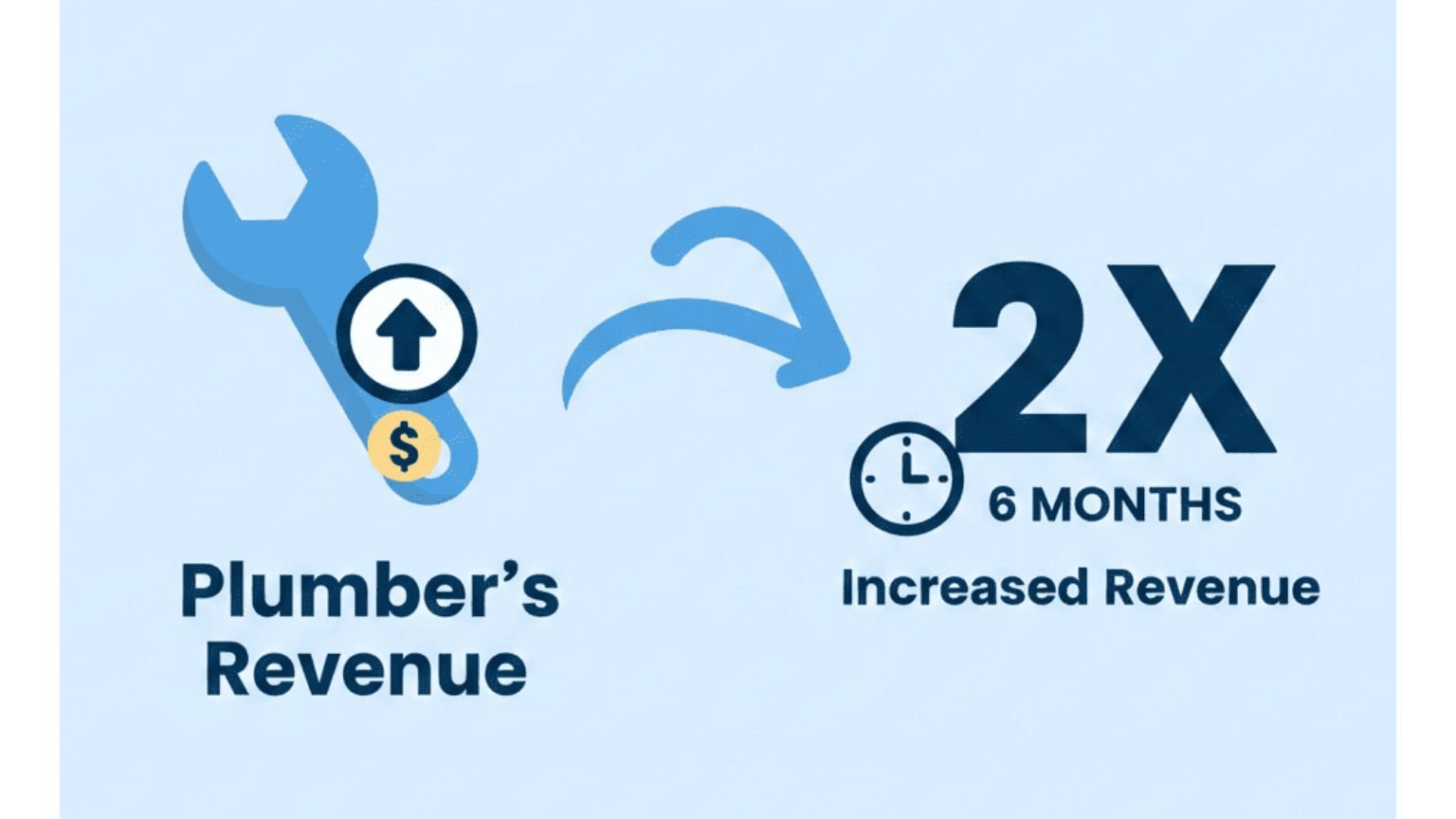
A mid-sized local plumbing company in the U.S. was operating in a highly competitive service market where getting ahead of the race had become very difficult. Growth had slowed because of inconsistent lead flow although the business had experienced technicians and a solid reputation. Some months were busy and others were unpredictable, which made revenue planning a big challenge. The plumbing industry has grown at a 3.1% CAGR over the past five years, reaching an estimated $191.4B in 2026. Previously, the company was dependent on generic ad management services and word-of-mouth referrals. Referrals did bring occasional jobs, but they were not very scalable. Traditional digital ads drove up costs without providing any dependable outcome.
Most leads came via online forms, which resulted in low-intent inquiries, missed opportunities, or delayed responses. The business required real phone calls from customers who were actually looking for plumbing services. Urgent service requests, same-day jobs, and emergency repairs all need instant conversations. The business required a solution that was focused on high-intent inbound calls to achieve steady growth instead of form submissions or clicks.
The Real Challenges: Why Change Became Necessary
The plumbing company was facing different marketing and operational challenges that limited growth. The business struggled to turn demand into high-quality and consistent phone calls although demand for plumbing services was strong. Traditional marketing approaches were not providing results, and the gap between actual booked jobs and marketing spend continued to widen.
The owners knew that without a better system for managing and generating inbound calls, scaling the company’s real business will become difficult. Below are the main pain points that showed the requirement for a specialized inbound call solution by HoomAdvertising.
1. Low-Quality Leads from Traditional Marketing
Most leads generated via standard digital ads did not have real intent, even though homeowners clicked the ad out of price comparison or curiosity, not urgency. This led to wasted time on unqualified leads that did not convert into booked jobs. Form-based leads were the biggest problem because responses were delayed, and by the time follow-ups happened, customers had already contacted another plumbing company. This inefficiency increased frustration for the sales team and reduced close rates.
2. Lack of Call Visibility and Missed Calls
Incoming calls were not analyzed or tracked properly. The plumbing company had no clear insight without call tracking about which campaigns were driving leads. Missed calls during peak hours results in lost revenue. There was no way to monitor call quality and most calls were outside or the service area or irrelevant. But they still consumed a lot of time and effort of the staff. Optimization was almost impossible without real-time call data or routing.
3. Intense Competition for High-Intent Keywords
Search terms were competitive and big plumbing companies with large budgets ruled ad placements. This drove up costs per call. Competing without any focused strategy led to overspending with a limited return. The plumbing company required a way to appear in front of the customers who wanted instant help. Generic ads did not cut via the noise in a competitive and crowded local market.
4. Inconsistent and Unpredictable Monthly Revenue
Revenue fluctuated every month; one period was busy and then suddenly, lead and call volume dropped. Such inconsistency made it difficult to plan expansion, inventory, and staffing. Forecasting income also became unreliable without a steady flow of inbound calls. The lack of predictability limited the plumbing company’s ability to grow confidently and created stress.
5. No Control on Lead Quality
The company had almost no control over who contacted them and leads varied widely in service needs, location, and intent. Most inquiries fell outside their service scope and others were price shoppers with no zero intent to book. There was no optimization or filtering process to enhance lead quality. Such lack of control meant ongoing spending on leads that did not give any revenue, which reinforced the need for a more targeted inbound call strategy.
See “Customer Success Stories: How Local Plumbers Grew Their Businesses with HoomAdvertising” for real examples.
The HoomAdvertising Approach: Designed for Real Growth
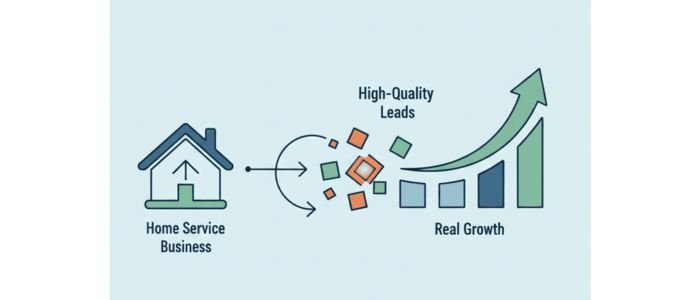
HoomAdvertising implemented a performance-driven and focused method built specifically for home service companies. The strategy centered on providing real conversations with customers who were looking for plumbing services instead of chasing impressions or clicks. HoomAdvertising created a system that connected to plumbing companies with ready-to-hire customers directly by prioritizing speed and intent. This change in strategy played a main role in enhancing revenue results, lead quality, and efficiency.
Focus on Customer-Initiated Inbound Calls
HoomAdvertising’s main strength is generating calls that are initiated by customers themselves. These are not passive leads or interrupted prospects, but real people who are looking for a plumbing service or solution. This method ensures that the plumber talks with customers at the exact moment when they need help and removes friction from the sales process, which increases the likelihood of booking the job.
Customers Looking for Plumbing Services
HoomAdvertising targets customers who are looking for high-intent and urgent terms like emergency plumbing services. Such searches show instant need, and not price comparison or casual browsing. Each call has stronger booking potential by aligning customer intent with marketing campaign
- Service-specific queries attract qualified callers.
- Local intent ensures service-area relevance.
- Search-driven traffic captures urgency.
See more reasons “What Makes HoomAdvertising Different from Other Marketing Agencies?“.
No Shared Leads or Cold Calls
HoomAdvertising provides exclusive inbound calls unlike traditional leads providers. Every call reaches only one company, this eliminates competition for the same leads. Such exclusivity allows the plumbing company to focus completely on every inquiry without pressure from follow-up delays or competitors. This structure improves close rates and builds trust.
- Complete ownership of every opportunity.
- No resold or recycled leads.
- One caller, one company.
Real-Time Call Routing
HoomAdvertising routes calls immediately to the plumbing company because calls are delivered in real-time. This ensures that no delays occur between the conversation and customer’s search. Faster connections became more booked jobs. This system improves visibility into call quality and performance.
- Accurate attribution and tracking.
- Reduced missed-call risk.
- Instant call delivery.
Higher Intent Leads = High Close Rates
Inbound callers are ready to take action and already know what they want. This reduces the time spent qualifying leads and shortens the sales cycle drastically. HoomAdvertising creates a scalable and predictable growth engine for plumbing companies that want measurable and real results by focusing completely on consumer-initiate calls. Compared to outbound outreach or form fills, inbound calls produced stronger results.
- Higher booking confidence.
- Fewer objections.
- Shorter decision timelines.
For more insights, see “Why Local Inbound Calls Convert Better Than Web Leads“.
Step-by-Step Strategy Breakdown That Drove Real Results
HoomAdvertising executed a multi-channel and structured strategy built to generate a steady flow of inbound calls. Every channel played a certain role in capturing customers at various stages of urgency and keeping quality high. This layered method reduced reliance on any one platform and ensured consistent call volume instead of depending on a single traffic source.
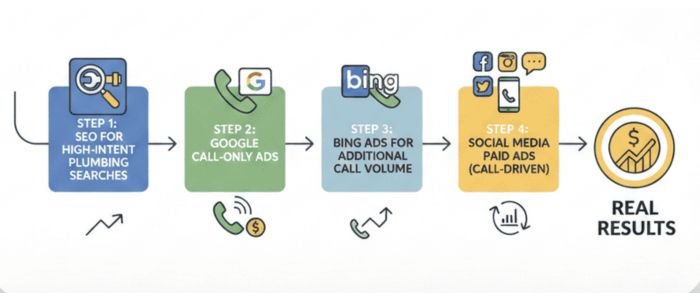
Step 1: SEO for High-Intent Plumbing Searches
SEO (Search Engine Optimization) formed the basis of long-term call generation. This is why HoomAdvertising optimized and designed niche plumbing websites built to attract customers that were looking for instant services. Such websites focused on intent-driven queries, which ensured that calls came from customers who wanted to speak with a plumber.
Niche Plumbing Websites Designed for Conversions
Every site was structured for specific local areas and plumbing services. Pages were made to rank well and encourage visitors to directly call. This structure helped in converting organic traffic into real calls.
- Prominent phone numbers and call buttons.
- Clear service messaging.
- Mobile-friendly and fast-loading layouts.
Ranking for Emergency Plumbing Searches
High-value keywords were prioritized and such searches usually indicate higher booking intent and urgent needs. Ranking for such terms ensures consistent inbound demand.
- Content aligned with customer pain points.
- Local modifiers for relevance.
- Focus on urgent service terms.
Local Service Pages and Keyword Targeting
HoomAdvertising implemented localized keyword strategies to capture nearby customers and dedicated service pages were made for every core offering. This method enhanced call quality and visibility.
- Trust-building content elements.
- Clear service explanations.
- Neighborhood and city-based targeting.
Companies looking to grow can buy home warranty leads online and connect directly with customers in need of protection plans.
Step 2: Google Call-Only Ads
Google Ads played a central role in capturing instant demand because call-only ads were made to prompt users to contact the plumbing company without having to visit a website. This format accelerated the booking process and reduced friction.
Call-Only Ads for Urgent Needs
Call-only ads appeared clearly when customers looked for urgent plumbing assistance. Clicking the ad triggered a phone call, this ensured better conversions and quicker responses.
- Higher urgency alignment.
- Faster customer connection.
- No landing page distractions.
High-Intent Keyword Targeting
Only keywords linked with instant service needs were targeted. This maximized return on ad spend and minimized low-quality traffic. This precision reduced wasted spend.
- Exclusion of research-based keywords.
- Location-specific searches.
- Same-day and emergency service teams.
Conversion-Focused Ad Copy
Ad messaging emphasized trust, availability, and speed because clear value propositions encouraged customers to call instantly.
- Local relevance signals.
- Emphasis on fast service.
- Strong CTA (call-to-action) language.
Step 3: Bing Ads for Additional Call Volume
Bing Ads offered an additional, usually overlooked source of inbound calls. HoomAdvertising used this platform to expand reach without having to increase competition. This channel complemented Google marketing campaigns effectively.
Better Efficiency and Lower Competition
Bing’s lower advertiser density allowed for more cost-effective calls and clicks, this results in better cost control.
- Solid intent traffic.
- Less aggressive bidding environment.
- Lower cost per call.
Access to an Older Customer Demographic
Bing users typically include established and older customers who are more likely to require a plumbing service.
- Stronger trust signals.
- Greater purchasing authority.
- Higher ownership rates.
Diversifying Traffic Sources
Adding Bing reduces dependency on a single platform and this also created stability in lead and call volume across market shifts.
- Consistent inbound calls.
- Reduced risk exposure.
- Balanced traffic mix.
Step 4: Social Media Paid Ads (Call-Driven)
Social media marketing campaigns supported direct-response goals and built brand recognition. Ads were made to drive calls instead of website visits. This channel also captured repeat and immediate interest.
Location-Based Targeting on Facebook and Instagram
Ads were shown only to customers within a specific service area and targeting was refined by behavior and location.
- Service-relevant audiences.
- Customer interest filters.
- Radius and city targeting.
Retargeting Interested Customers
Visitors who interacted previously with content or ads were retargeted and this kept the plumbing company top of the customer’s mind.
- Increased call likelihood.
- Reinforced service needs.
- Follow-up exposure.
Call-Focused CTAs and Creatives
Ad creatives show availability and urgency and clear CTA buttons encouraged direct phone calls. This combination drove consistent inbound calls and strengthened brand familiarity.
- Solid brand presence.
- Direct and simple visuals.
- “Call Now” messaging.
For a deeper understanding of how social media drives calls, see “The Role of Facebook Ads in Generating Calls for Home Services“.
Why This Strategy Delivered Solid Results?
HoomAdvertising’s success came from a focused system designed around how customers hire plumbers. Each part of the approach was built to convert demand into real conversations, reduce friction, and capture intent. The method produced scalable and reliable results by aligning industry knowledge, traffic sources, and technology.
A System Built Only For Plumbing Business
HoomAdvertising combined various channels into one unified inbound call engine instead of depending on a single source. Every channel supported consistent call volume.
- Real-time call routing for faster responses.
- Exclusive inbound leads with no shared competition.
- Calls over clicks, prioritizing genuine conversations.
- Multi-channel visibility across social and search platforms.
Industry-Specific Execution
HoomAdvertising’s profound knowledge and understanding of plumbing businesses played a vital role. This included call-focused campaign optimization, emergency-driven messaging, and service-area targeting.
The impact of call-driven marketing is explained in “Why Every Home Service Business Needs a Call-Driven Marketing Strategy“.
Performance Results and Client Growth
The plumbing company experienced a steady increase in inbound calls within the first few months of working with HoomAdvertising, with monthly growth driven by high-intent customers. Since such calls came from service-specific and urgent searches, the close rate was enhanced, which allowed the company to convert more conversations into booked jobs. The plumbing company gained better control over marketing performance as lead quality increased and wasted ad spend dropped.
Overall revenue doubled without depending on low-quality leads or inflated budgets within six months. This predictable flow of inbound calls makes it possible to improve scheduling efficiency, expand service coverage to nearby areas, and hire additional technicians. The plumbing company positioned itself for sustainable growth and achieved long-term revenue stability with improved operational planning and consistent demand.
To expand your reach and increase revenue, companies can buy exclusive solar panels leads for contractors online and speak directly with interested customers.
Conclusion
HoomAdvertising’s inbound call strategy gave the plumbing company scalable growth, consistency, and control. The plumbing business replaced guesswork with predictability by focusing on real customer intent across SEO, paid search, and social channels. The outcome was a stronger marketing system designed completely around high-quality phone calls for long-term business success along with steadier revenue and close rates.
By choosing to buy home security leads online, you can ensure that your team speaks directly with customers ready to act.
FAQs
How can plumbers get more inbound calls and leads?
Plumbers can get more leads and inbound calls via targeted SEO, Google Ads, and call-focused campaigns.
What is the best way to generate plumbing leads?
The best way is by using exclusive inbound call campaigns and high-intent search ads.
How long does it take to see results from plumbing advertising?
Results can be seen within 3 to 6 months with a focused call-driven strategy.
What makes HoomAdvertising different for home service businesses?
HoomAdvertising focuses on high-intent and exclusive inbound calls and leads instead of shared leads or clicks.


Leave a Reply