

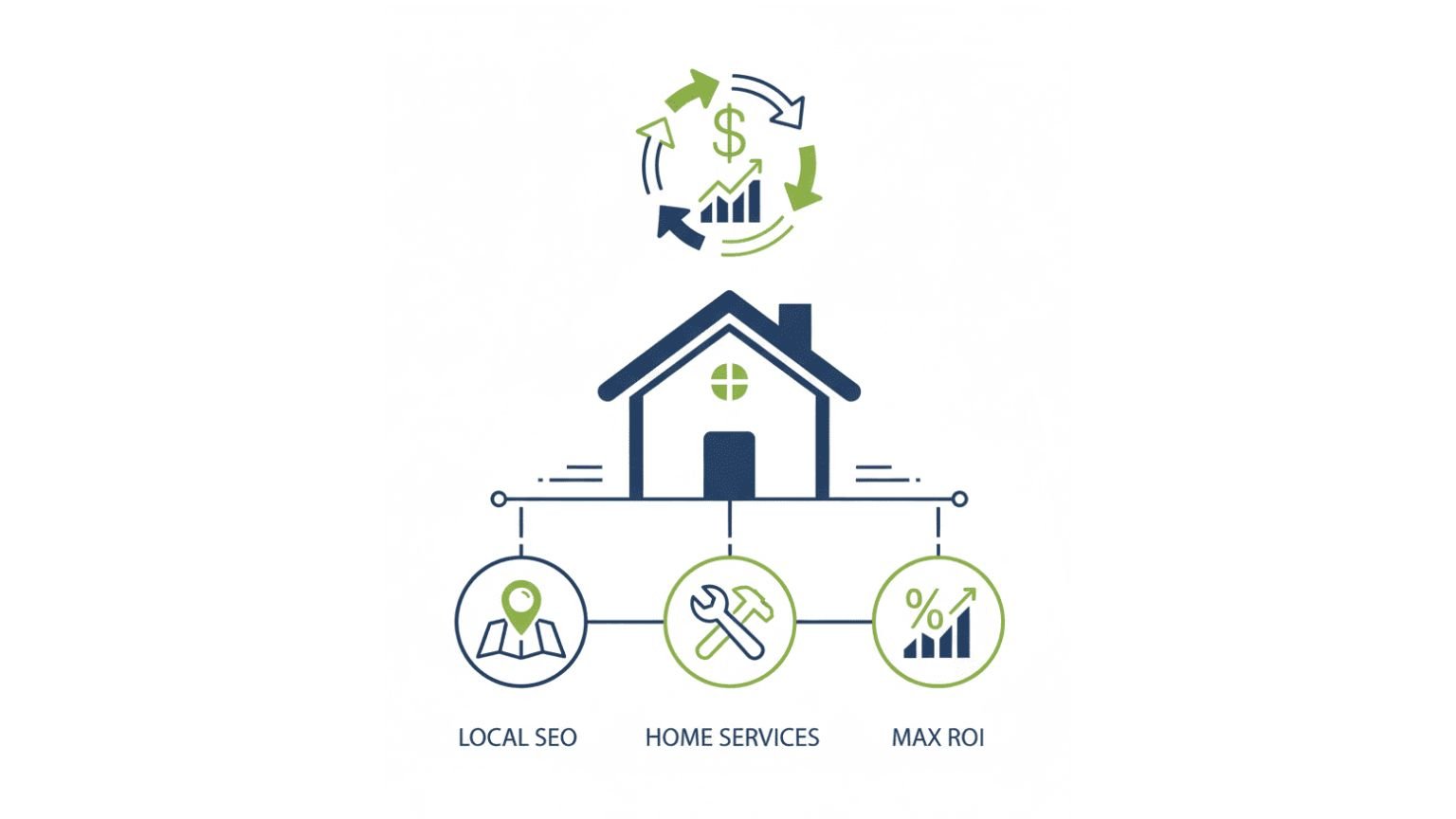
Home service companies depend on being found online in today’s digital-first world. Local SEO (Search Engine Optimization) is the practice of optimizing the online presence to appear in search results for location-specific queries. For home services, such as landscaping, roofing, or HVAC, local SEO ensures that customers who search can find your company easily and quickly. The value of local SEO impacts ROI. A solid local SEO strategy helps to boost bookings, increase phone calls, and generate more qualified leads without having to waste any resource on low-intent traffic. Companies can convert inquiries into paying customers efficiently by attracting prospects who are looking for services in their area, which maximizes the return each marketing dollar spent. Home service companies face unique challenges in local markets.
Competition is a lot, with various companies marketing for the same customers in a limited area. Most companies struggle to create content that targets local search intent, collect positive reviews, and maintain accurate listings. Staying visible in local directories and Google Maps and managing various service areas require continuous effort. In fact, 21% of consumers search online for a local business every single day, highlighting how crucial online visibility is. Even high-quality services might go unnoticed, which leads to missed opportunities without a clear strategy. Home service companies can ensure that marketing efforts become measurable results, overcome such challenges, and increase visibility by focusing on local SEO.
Understanding Local SEO for Home Services
Local SEO focuses on helping businesses appear in search results for location-based queries. For home service providers, this means showing up when nearby customers actively search for solutions they need right now. Unlike broad marketing methods, local SEO targets users within a specific service area, making it highly relevant and results-driven. Home service businesses depend on visibility at the exact moment a customer needs help. Understanding how local SEO works lays the foundation for attracting qualified traffic, increasing calls, and improving lead quality.
Difference Between Local SEO and General SEO
General SEO aims to improve a website’s visibility on a national or global level. It focuses on broad keywords and long-term brand authority rather than immediate, location-based demand. Local SEO, on the other hand, prioritizes geographic relevance. It helps businesses appear in searches tied to a city, neighborhood, or service area, which is critical for service-based industries. Key differences include:
- Targeting location-specific keywords
- Optimizing Google Business Profiles
- Focusing on local directories and citations
- Driving phone calls and visits, not just website traffic
How Search Engines Display Local Results
Search engines tailor results based on user location and intent. When someone searches for a home service, search engines often display results designed to deliver quick, nearby options. Local results typically appear before standard organic listings, giving them higher visibility and engagement. These features help users make fast decisions without browsing multiple websites. Common local search features include:
- Google Maps listings showing nearby service providers
- Local packs, usually displaying three businesses
- Business details such as hours, reviews, and contact information
Importance of Search Intent for Home Services
Search intent plays a major role in local SEO success. Home service searches are often urgent and action-oriented, driven by immediate needs. Users are not researching options for later—they are looking to solve a problem now. By aligning content and listings with this intent, home service businesses can attract ready-to-convert customers and improve lead quality without unnecessary marketing spend. Here, home service companies will learn how to maximize ROI with local SEO.
Step 1: Local Keyword Research Strategies
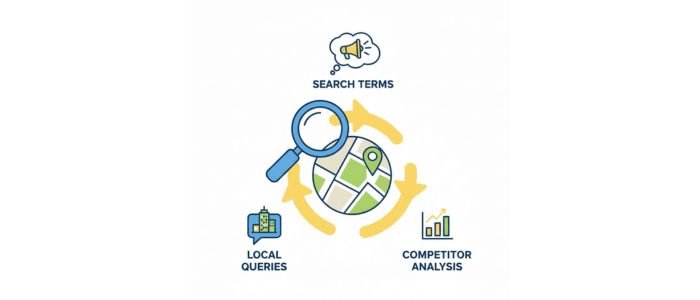
Local keyword research helps home service businesses connect with customers searching within a specific area. By targeting location-based search terms, businesses can attract users who are more likely to call, book, or request services. A well-researched keyword strategy improves visibility and supports higher ROI from local SEO efforts. Choosing the right keywords ensures that your content matches real search behavior and local demand, rather than competing for broad terms with low conversion value.
Finding Geo-Targeted Keywords for Your Service Area
Geo-targeted keywords combine services with specific locations. These keywords reflect how people search when they need nearby help, especially for urgent home services. Businesses should focus on cities, neighborhoods, and surrounding service areas to capture relevant local traffic.
Using Keyword Research Tools for Local SEO
Keyword research tools help identify search volume, competition, and keyword variations. These tools reveal how customers phrase local searches and which terms offer the best opportunities. Using multiple tools provides a clearer picture of keyword demand and competition across service areas. These tools help prioritize keywords that balance search demand and realistic ranking potential. Commonly used tools include:
- Google Keyword Planner for search volume and location filters
- Ahrefs for keyword difficulty and competitor insights
- Ubersuggest for long-tail and local keyword ideas
Targeting Long-Tail Keywords for Higher Conversions
Long-tail keywords are more specific and often indicate stronger intent. While they may have lower search volume, they usually attract users who are ready to take action. For home services, these keywords are especially valuable because they align with immediate needs. By focusing on long-tail, location-specific keywords, businesses can reduce competition, improve relevance, and increase the likelihood of converting searches into real leads and service bookings.
Step 2: Optimizing Your Google Business Profile (GBP)
A Google Business Profile is one of the most important assets for local SEO success. It helps home service businesses appear in Google Maps and local search results, making it easier for nearby customers to find and contact them. A well-optimized profile improves visibility, credibility, and lead generation. When managed correctly, a Google Business Profile supports higher call volume and better engagement from users searching for services in their area.
Claiming and Verifying Your Business on Google
Claiming and verifying your business confirms ownership and ensures accurate information appears in search results. This step allows businesses to manage how they are displayed on Google platforms. Verification also builds trust with both search engines and potential customers. Key steps include:
- Creating or claiming the business listing
- Completing the verification process via mail, phone, or email
- Ensuring business details match official records
Optimizing Keywords, Service Categories, and Location
Selecting the right keywords and categories helps Google understand what services you offer and where you operate. Accurate categorization improves your chances of appearing for relevant local searches. Location details are equally important for targeting customers within your service area. Best practices include:
- Choosing primary and secondary service categories carefully
- Including service-related keywords in the business description
- Defining service areas clearly for accurate local targeting
Adding Photos, Service Descriptions, and Business Posts
Visual content and detailed descriptions enhance user engagement and build credibility. Profiles with photos and regular updates tend to receive more interactions and inquiries. Posting updates also signals activity, which supports local visibility. Recommended content types include:
- Photos of completed jobs, equipment, and team members
- Clear service descriptions outlining what you offer
- Google Posts for updates, promotions, or seasonal services
Using FAQs to Address Customer Questions
FAQs help answer common questions directly within your profile. They also align with how users search for quick information when choosing a service provider. Well-written FAQs can improve engagement and reduce uncertainty. Effective FAQ topics include:
- Service availability and response times
- Pricing estimates or inspection policies
- Licensing, insurance, and service coverage
Collecting and Managing Customer Reviews
Customer reviews strongly influence local rankings and buying decisions. Consistent positive feedback builds trust and encourages new customers to reach out. Managing reviews shows responsiveness and professionalism. By maintaining an accurate, active, and well-optimized Google Business Profile, home service businesses can strengthen local visibility and attract more high-intent leads. Review management best practices include:
- Asking satisfied customers to leave feedback
- Responding to both positive and negative reviews
- Monitoring reviews regularly for insights and improvements
Optimizing your Google Business Profile helps attract local searches and calls, but some businesses want faster results for specialized services. For example, carpet cleaning companies can buy Carpet Cleaning leads online to access exclusive inquiries from customers ready to schedule appointments.
Step 3: On-Page Local SEO Strategies
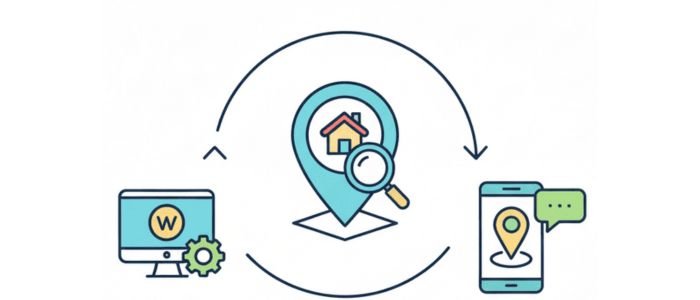
On-page local SEO focuses on optimizing website elements so search engines clearly understand your services and service areas. For home service businesses, these strategies help connect local searches with relevant pages, increasing visibility and lead quality. Well-optimized pages also improve user experience and conversion potential. By aligning on-page elements with local intent, businesses can attract nearby customers who are actively searching for specific services.
Keyword Research for Local Service Queries
Local keyword research identifies how customers search for services in a specific area. These keywords often include service types combined with city names or nearby locations. Targeting the right queries ensures your pages match user intent and local demand. Effective local keyword targeting includes:
- Service-based keywords paired with locations
- “Near me” and neighborhood-specific phrases
- Emergency and same-day service terms
Optimizing Title Tags, Meta Descriptions, and Headers
Title tags and meta descriptions influence both rankings and click-through rates. Including local keywords helps search engines and users quickly understand relevance. Headers structure content and make pages easier to scan for key information. Optimization best practices include:
- Adding city or service area names in title tags
- Writing clear, benefit-focused meta descriptions
- Using H1, H2, and H3 headers with local context
Creating Location-Specific Service Pages
Service pages tailored to each area help businesses rank in multiple local markets. These pages provide localized content that speaks directly to nearby customers. Avoiding duplicate content is essential when creating multiple location pages. Key elements of strong local service pages include:
- Unique content for each service area
- Local landmarks or neighborhood references
- Clear calls to action and contact information
Optimizing URLs for Local Intent
Clean, descriptive URLs improve readability and SEO performance. Localized URLs help reinforce geographic relevance. They also make it easier for users to understand page content at a glance. URL optimization tips include:
- Including service and location keywords
- Keeping URLs short and readable
- Avoiding unnecessary parameters or numbers
Using Structured Data Markup for Local Businesses
Structured data, or Schema markup, helps search engines interpret business information accurately. It supports enhanced search features and improves local visibility. Local business Schema highlights important details directly in search results. When implemented correctly, on-page local SEO strategies strengthen relevance, improve rankings, and drive more qualified local traffic to home service websites. Common Schema elements include:
- Business name, address, and phone number
- Service areas and operating hours
- Reviews and ratings
Step 4: Off-Page Local SEO Strategies
Off-page local SEO focuses on signals outside your website that influence local search visibility. These signals help search engines assess trust, relevance, and authority within a specific geographic area. For home service businesses, strong off-page strategies support better rankings and increased local credibility. Consistent off-page efforts also help businesses stand out in competitive local markets where multiple providers offer similar services.
Importance of Citations and Consistent NAP
Citations are online mentions of your business name, address, and phone number across directories and platforms. Search engines use this information to verify business legitimacy and location accuracy. Consistency across all listings plays a major role in local rankings. Key citation best practices include:
- Maintaining identical NAP details across all platforms
- Listing businesses in trusted local and industry directories
- Regularly auditing and correcting outdated information
Building Local Backlinks from Reputable Sources
Local backlinks signal authority and relevance to search engines. Links from well-known local organizations help establish trust and improve local visibility. Quality matters more than quantity when it comes to backlinks. These links strengthen domain authority while reinforcing geographic relevance. Valuable local backlink sources include:
- Chambers of commerce and business associations
- Local news websites and community blogs
- Suppliers, vendors, and industry partners
Using Community Engagement to Boost Local Authority
Community involvement creates real-world connections that translate into online visibility. Participating in local activities helps businesses earn mentions, links, and brand recognition. Search engines view these signals as indicators of authenticity and trust. Effective community engagement strategies include:
- Sponsoring local events or sports teams
- Participating in neighborhood initiatives
- Partnering with complementary local businesses
Leveraging Online Reviews and Brand Mentions
While reviews impact on-page visibility, they also function as off-page trust signals. Brand mentions without links still contribute to local awareness and authority. Engaging with customers online reinforces brand reliability. By strengthening citations, backlinks, and community presence, off-page local SEO strategies help home service businesses improve trust, authority, and overall local search performance. Helpful review and mention practices include:
- Encouraging customers to mention the business online
- Responding to feedback on multiple platforms
- Monitoring brand mentions across the web
Step 5: Content Marketing for Local SEO
Content marketing plays a key role in improving local SEO for home service businesses. It helps establish expertise, build trust, and attract users searching for location-specific solutions. Well-planned content supports visibility while guiding potential customers toward taking action. By focusing on local relevance, content becomes more useful, engaging, and aligned with real customer needs.
Creating Blog Posts and Guides for Local Issues
Local blog content addresses problems that customers experience in specific areas. These posts help businesses appear in search results when users look for advice related to their location. They also demonstrate local knowledge and service expertise. Effective local content ideas include:
- Guides addressing common regional service issues
- Articles focused on neighborhood-specific concerns
- Educational posts answering frequently asked local questions
Using Videos to Showcase Local Expertise
Videos help present services in a clear and engaging way. They allow businesses to explain processes, highlight experience, and connect with local audiences more effectively. Video content also improves engagement and time spent on site. Useful video formats include:
- Short service explainers
- Before-and-after project highlights
- Maintenance tips tailored to local conditions
Leveraging Infographics for Visual Engagement
Infographics simplify complex information and make it easier to understand. They are effective for explaining processes, timelines, or service benefits. Visual content is also more shareable, increasing local reach. Common infographic topics include:
- Step-by-step service processes
- Seasonal maintenance checklists
- Cost or efficiency comparisons
Creating Seasonal Content for Peak Demand
Many home services experience demand spikes during certain seasons. Seasonal content helps capture traffic when customers actively search for timely solutions. Publishing this content in advance improves visibility during peak periods. Examples of seasonal content include:
- Winter heating and insulation tips
- Summer air conditioning maintenance guides
- Storm preparation or emergency repair checklists
Optimizing Content for Local Search Visibility

Local content should be optimized to support search performance. This ensures it reaches the right audience at the right time. By combining educational value with local relevance, content marketing strengthens local SEO and helps home service businesses attract qualified, high-intent visitors. Optimization practices include:
- Including local keywords naturally in headings and text
- Adding location references where relevant
- Linking content to related service pages
Step 6: Mobile Optimization and User Experience
Mobile optimization is essential for home service businesses targeting local customers. Most service-related searches happen on mobile devices, especially during urgent situations. A mobile-friendly website improves usability, supports local rankings, and increases the likelihood of conversions. User experience directly affects how visitors interact with your site. Faster load times and simple navigation help turn searches into calls and bookings.
Importance of Fast-Loading, Mobile-Friendly Websites
Speed and mobile responsiveness are key ranking and usability factors. Slow-loading pages increase bounce rates and reduce lead opportunities. Search engines favor sites that deliver a smooth experience across all devices. Key elements of mobile-friendly design include:
- Responsive layouts that adapt to screen size
- Optimized images and compressed files
- Minimal pop-ups that interrupt navigation
Simplifying Contact Forms for Better Conversions
Contact forms should be easy to complete on small screens. Complex or lengthy forms often discourage users from taking action. Simplified forms help capture leads quickly, especially during urgent service needs. Best practices for mobile contact forms include:
- Limiting fields to essential information
- Using auto-fill and dropdown options
- Placing forms above the fold
Optimizing Call-to-Action Buttons for Mobile Users
Clear call-to-action buttons guide users toward the next step. On mobile, these buttons must be easy to tap and clearly visible. Well-designed CTAs improve engagement and reduce friction. Effective mobile CTA features include:
- Click-to-call functionality
- High contrast and readable text
- Consistent placement across pages
Ensuring Easy and Frictionless Online Booking
Online booking systems allow customers to schedule services quickly. A smooth booking process reduces drop-offs and improves satisfaction. Mobile-friendly booking increases convenience and accessibility. Booking optimization tips include:
- Simple scheduling interfaces
- Clear service options and availability
- Confirmation messages and reminders
Enhancing Overall Mobile User Experience
Every interaction on a mobile site influences trust and decision-making. Clear layouts and intuitive navigation keep users engaged. By prioritizing mobile optimization and user experience, home service businesses can improve local visibility, increase engagement, and drive more qualified leads from mobile searches. User experience improvements include:
- Easy-to-find contact information
- Logical page structure and menus
- Minimal scrolling and loading delays
Step 7: Leveraging Reviews and Reputation Management
Online reviews play a major role in how home service businesses are perceived and discovered locally. They influence customer trust, search visibility, and conversion rates. A strong reputation supported by consistent reviews helps businesses stand out in competitive local markets. Managing reviews is an ongoing process that supports both local SEO performance and long-term brand credibility.
How Reviews Affect Local Search Rankings
Search engines use reviews as a trust and relevance signal. Businesses with frequent, high-quality reviews are more likely to appear in local search results and map listings. Reviews also influence click-through rates by providing social proof. Review-related ranking factors include:
- Review volume and frequency
- Overall rating and sentiment
- Keyword relevance within reviews
Encouraging Positive Reviews from Customers
Satisfied customers are often willing to leave reviews when asked. Making the review process simple increases participation and consistency. Timing and communication play a key role in review generation. Effective strategies for review collection include:
- Requesting reviews after service completion
- Sharing direct review links via email or text
- Displaying review prompts on receipts or follow-up messages
Building Trust Through Review Transparency
Authentic feedback builds credibility with potential customers. A mix of honest reviews shows transparency and reliability. Actively managing reviews demonstrates accountability and professionalism. Trust-building practices include:
- Avoiding incentives that violate platform guidelines
- Allowing genuine customer feedback
- Monitoring reviews across multiple platforms
Responding to Negative Reviews Professionally
Negative reviews provide an opportunity to demonstrate strong customer service. Thoughtful responses show prospective customers that concerns are taken seriously. Professional responses can help protect brand reputation. Best practices for handling negative reviews include:
- Responding promptly and politely
- Acknowledging the issue without being defensive
- Offering to resolve concerns offline
Using Reviews to Improve Service Quality
Customer feedback provides valuable insights into service strengths and weaknesses. Analyzing review patterns helps identify areas for improvement. By actively managing reviews and reputation, home service businesses can strengthen trust, improve local visibility, and influence customer decisions more effectively. Ways to leverage reviews internally include:
- Identifying recurring service issues
- Training staff based on feedback
- Refining processes to improve customer experience
While online content and web forms attract potential customers, phone inquiries tend to lead to faster bookings. Why Local Inbound Calls Convert Better Than Web Leads explores how inbound calls deliver higher conversion rates, making call tracking essential for home service providers.
Step 8: Competitor Analysis for Local SEO

Competitor analysis helps home service businesses understand what works in their local market. By studying top-ranking competitors, businesses can identify effective strategies and areas needing improvement. This insight supports smarter SEO decisions and better resource allocation. Analyzing competitors also helps avoid guesswork and focus on proven tactics that drive local visibility.
Analyzing Top-Ranking Local Competitors
The first step is identifying businesses that consistently appear in local search results. These competitors often dominate Google Maps listings and organic rankings. Reviewing their online presence reveals patterns in optimization and engagement. Key areas to evaluate include:
- Google Business Profile completeness
- Service coverage and location targeting
- Website structure and content quality
Understanding Backlink Profiles
Backlinks play a significant role in local authority. Studying competitor backlinks shows where they gain credibility and local recognition. This analysis helps uncover link-building opportunities within your area. Backlink elements to review include:
- Links from local organizations and directories
- Mentions on community websites or blogs
- Partnerships with suppliers or vendors
Evaluating Service Pages and Content Strategy
Competitors’ service pages reveal how they target local keywords and address customer needs. Page structure, content depth, and location references offer valuable insights. Well-optimized pages often highlight clear benefits and calls to action. Content factors to examine include:
- Use of location-specific keywords
- Unique content for different service areas
- Internal linking between related services
Reviewing Customer Reviews and Reputation
Review strategies reveal how competitors build trust and social proof. Volume, tone, and frequency of reviews impact both rankings and conversions. Understanding review trends helps refine your own approach. Review insights to track include:
- Average rating and review growth
- Response style and engagement level
- Common praise or complaints
Identifying Gaps and Competitive Opportunities
Not every competitor’s strategy is perfect. Identifying weaknesses creates opportunities for improvement and differentiation. By leveraging competitor insights, home service businesses can refine local SEO strategies, outperform competitors, and capture more local demand effectively. Common gaps to exploit include:
- Poorly optimized location pages
- Inconsistent reviews or slow responses
- Limited community engagement or backlinks
Not every competitor fully leverages opportunities to build trust with local customers. Some may have strong service pages or reviews but lack strategies to convert high-intent calls into loyal clients. Implementing targeted inbound call campaigns can help fill this gap. Boosting Brand Trust Through Localized Inbound Call Campaigns, explains how home service businesses can strengthen credibility and create lasting trust with local customers.
Step 9: Local Link Building Strategies
Local link building helps home service businesses strengthen authority and visibility within their service areas. Links from trusted local sources signal relevance and credibility to search engines. These connections also increase brand awareness among nearby audiences. Focusing on quality local links supports stronger rankings and long-term SEO growth.
Partnering with Local Blogs, News Sites, and Directories
Local publications and directories offer valuable backlink opportunities. These sources already serve audiences within your target area, making them highly relevant. Getting listed or featured improves both trust and discoverability. Effective partnership options include:
- Submitting business listings to local directories
- Contributing insights or articles to local blogs
- Being featured in local news coverage
Sponsoring Local Events or Charities
Sponsorships help businesses gain community exposure while earning backlinks. Event websites and charity partners often link back to sponsors as part of their promotion. These links carry strong local relevance. Common sponsorship opportunities include:
- Community festivals and fundraisers
- School or youth sports teams
- Nonprofit or neighborhood initiatives
Collaborating with Complementary Local Businesses
Partnering with non-competing local businesses creates mutual benefits. These collaborations help expand reach and attract new audiences. Shared exposure often leads to natural backlink opportunities. Collaboration ideas include:
- Cross-promotions with related service providers
- Joint content or local guides
- Shared referral or recommendation pages
Maintaining Link Quality and Relevance
Not all links provide equal value. Relevance and trustworthiness matter more than quantity. By focusing on meaningful local partnerships and community involvement, home service businesses can build strong link profiles that support local SEO performance and sustained online visibility. Link-building best practices include:
- Prioritizing reputable local websites
- Avoiding spammy or low-quality links
- Monitoring links for accuracy and consistency
Step 10: Integrating Local SEO with Paid Marketing
Combining local SEO with paid marketing helps home service businesses maximize visibility and conversions. While SEO attracts organic traffic, paid campaigns can capture high-intent searches immediately. Together, these strategies ensure a consistent flow of leads and calls. Integrating both approaches allows businesses to cover multiple touchpoints, reaching potential customers who may need services now or in the near future.
Using Google Local Service Ads and Paid Search
Local Service Ads (LSAs) appear at the top of search results for service-based queries. They complement organic SEO by capturing users ready to call or book immediately. Paid search campaigns also target specific keywords and locations, boosting visibility alongside your organic efforts. Key considerations include:
- Targeting high-intent service keywords
- Setting budgets according to local competition
- Monitoring call tracking and conversions
Retargeting Ads to Capture Lost Leads
Not all visitors convert on their first visit. Retargeting ads help re-engage users who previously viewed your website or service pages. These ads remind potential customers of your services, increasing the likelihood of conversion. Effective retargeting strategies include:
- Display ads across social media and websites
- Personalized messaging based on user behavior
- Offering seasonal promotions or service reminders
Measuring Combined ROI
Tracking performance across both organic and paid channels provides insight into overall marketing effectiveness. Measuring combined ROI helps allocate budgets efficiently. By aligning local SEO with paid marketing, home service businesses can increase reach, reinforce brand presence, and improve overall return on investment. Metrics to monitor include:
- Total calls and leads from SEO and paid campaigns
- Cost per lead for paid search
- Conversion rate comparisons between organic and paid traffic
Alongside Google Local Service Ads, businesses can leverage social media advertising to generate leads. For example, The Role of Facebook Ads in Generating Calls for Home Services explains how targeted Facebook campaigns can drive high-intent calls and appointments for home service providers.
Step 11: Video Marketing for Local SEO

Video marketing is a powerful tool for home service businesses looking to enhance local SEO. Videos engage users, demonstrate expertise, and improve dwell time on websites. When optimized correctly, videos also boost local search visibility and attract high-intent customers. Adding video content to a marketing strategy helps businesses stand out from competitors and provides a visual way to showcase services.
Creating Short Service Demonstration Videos
Short, focused videos allow potential customers to quickly understand the services offered. Demonstrations show competence and build trust with viewers. Videos also provide content that can be shared across multiple platforms for increased exposure. Best practices for service videos include:
- Highlighting specific services or problem-solving techniques
- Keeping videos concise (30–90 seconds)
- Featuring real staff and completed projects for authenticity
Posting Videos to Google Business Profile and YouTube
Uploading videos to Google Business Profile and YouTube increases visibility in local searches. These platforms help capture users actively searching for nearby services. Consistent posting signals activity and relevance to search engines. Video posting tips include:
- Adding titles and descriptions with service and location keywords
- Including calls-to-action for calls or bookings
- Encouraging engagement through likes, shares, and comments
Using Geo-Tags and Local Keywords
Geo-tags and localized keywords in video metadata improve local search rankings. They help search engines associate your business with specific locations and service areas. By leveraging video marketing with proper optimization, home service businesses can boost local SEO, attract nearby customers, and build credibility in their communities. Optimization tactics include:
- Including city or neighborhood names in descriptions and tags
- Mentioning the service area within the video content
- Using hashtags relevant to the local market
While videos help showcase expertise and attract local customers, some businesses want to connect with high-intent clients immediately. For companies specializing in paving, it’s possible to buy pavers leads online and access exclusive brick pavers inquiries, ensuring a steady flow of ready-to-convert prospects.
Step 12: Future-Proofing Your Local SEO
Local SEO is constantly evolving, and home service businesses need to stay ahead of changes to maintain visibility. Preparing for emerging trends ensures long-term success and keeps your business competitive in local search results. Future-proofing strategies focus on adapting to AI-driven search, hyperlocal targeting, and enhanced search features. Proactive adjustments help businesses attract more high-intent customers and maintain strong local authority over time.
Preparing for AI-Driven Search Results and SERP Changes
Search engines increasingly use AI to interpret user intent and deliver more relevant results. Understanding how AI impacts SERPs helps businesses optimize content and profiles accordingly. AI-driven features, such as personalized local recommendations, require businesses to maintain accurate, high-quality information. Key steps include:
- Monitoring changes in search result formats
- Updating content to match user intent more effectively
- Maintaining consistency across all online profiles
Optimizing for Hyperlocal Searches and Mobile-First Indexing
Users often search for services in very specific areas. Hyperlocal optimization ensures your business appears for these narrowly targeted queries. Mobile-first indexing means your website must be fully functional and fast on mobile devices to rank well. Hyperlocal and mobile optimization tips:
- Create location-specific landing pages
- Include neighborhood and city names in content
- Ensure responsive, fast-loading website design
Using Structured Data and Rich Snippets
Structured data helps search engines understand your business and services. Rich snippets enhance visibility in search results by highlighting key information like ratings, services, and operating hours. By preparing for AI trends, hyperlocal search behavior, and structured data opportunities, home service businesses can safeguard their local SEO performance and remain highly visible to nearby customers. Structured data practices include:
- Implementing local business Schema markup
- Adding review, service, and FAQ Schema
- Keeping structured data accurate and up to date
Step 13: Advanced Tactics for Local SEO
Advanced local SEO tactics help home service businesses gain an edge in competitive markets. By combining traditional SEO with modern strategies, businesses can reach high-intent customers more effectively. These approaches focus on maximizing visibility, capturing niche search queries, and increasing conversions. Implementing advanced tactics ensures your business stays relevant as search behavior evolves.
Using Local Service Ads (LSAs) Alongside SEO
Local Service Ads appear at the top of search results for service-based queries. When used alongside SEO, LSAs capture users who are ready to call or book immediately. Combining LSAs with organic rankings provides broader coverage and increases lead opportunities. Best practices for LSAs include:
- Targeting high-intent, location-specific keywords
- Ensuring accurate business information and licensing
- Monitoring lead quality and adjusting budget accordingly
Optimizing for Voice Search
Voice search is increasingly popular for finding local services quickly. Queries reflect high intent and require optimized content for conversational search patterns. Voice optimization ensures your business appears in these fast, action-oriented searches. Voice search optimization tips include:
- Using natural, question-based phrases in content
- Including location-specific terms
- Creating FAQ sections to address common questions
Leveraging Hyperlocal Landing Pages
Hyperlocal landing pages target specific neighborhoods, districts, or service zones. These pages increase relevance for local searches and improve conversion rates. By implementing these advanced strategies, home service businesses can enhance local visibility, attract ready-to-convert leads, and maintain a competitive edge in their service areas. Effective hyperlocal landing page elements include:
- Unique content tailored to each area
- Local landmarks or community references
- Clear calls-to-action and service details
Conclusion
Maximizing local SEO for home service businesses is about more than rankings—it’s about connecting with the right customers at the right time. By combining on-page optimization, content marketing, reviews, mobile usability, and advanced strategies like hyperlocal targeting and voice search, businesses can create a strong, sustainable online presence. Consistent effort and smart monitoring turn search visibility into measurable leads, calls, and bookings. Staying proactive and adapting to evolving trends ensures your services remain top-of-mind for local customers, driving growth and building trust within the communities you serve.
Paid search campaigns and LSAs, home service businesses can target highly specific audiences for faster results. Companies offering carpentry repairs can buy carpenter repair leads online to access exclusive inquiries from customers who are ready to schedule services.
FAQs
What is local SEO for home services?
Local SEO helps home service businesses appear in search results for location-specific queries, attracting nearby customers ready to book services.
What are local citations, and why do they matter?
Citations are online mentions of your business name, address, and phone. Consistent citations improve credibility and local search rankings.
What is a hyperlocal landing page?
It’s a web page targeting a specific neighborhood or district, optimized with local content to attract nearby customers.
How do structured data and rich snippets help SEO?
They make your business info clear to search engines, increasing chances of appearing with ratings, hours, and services in results.


Leave a Reply