

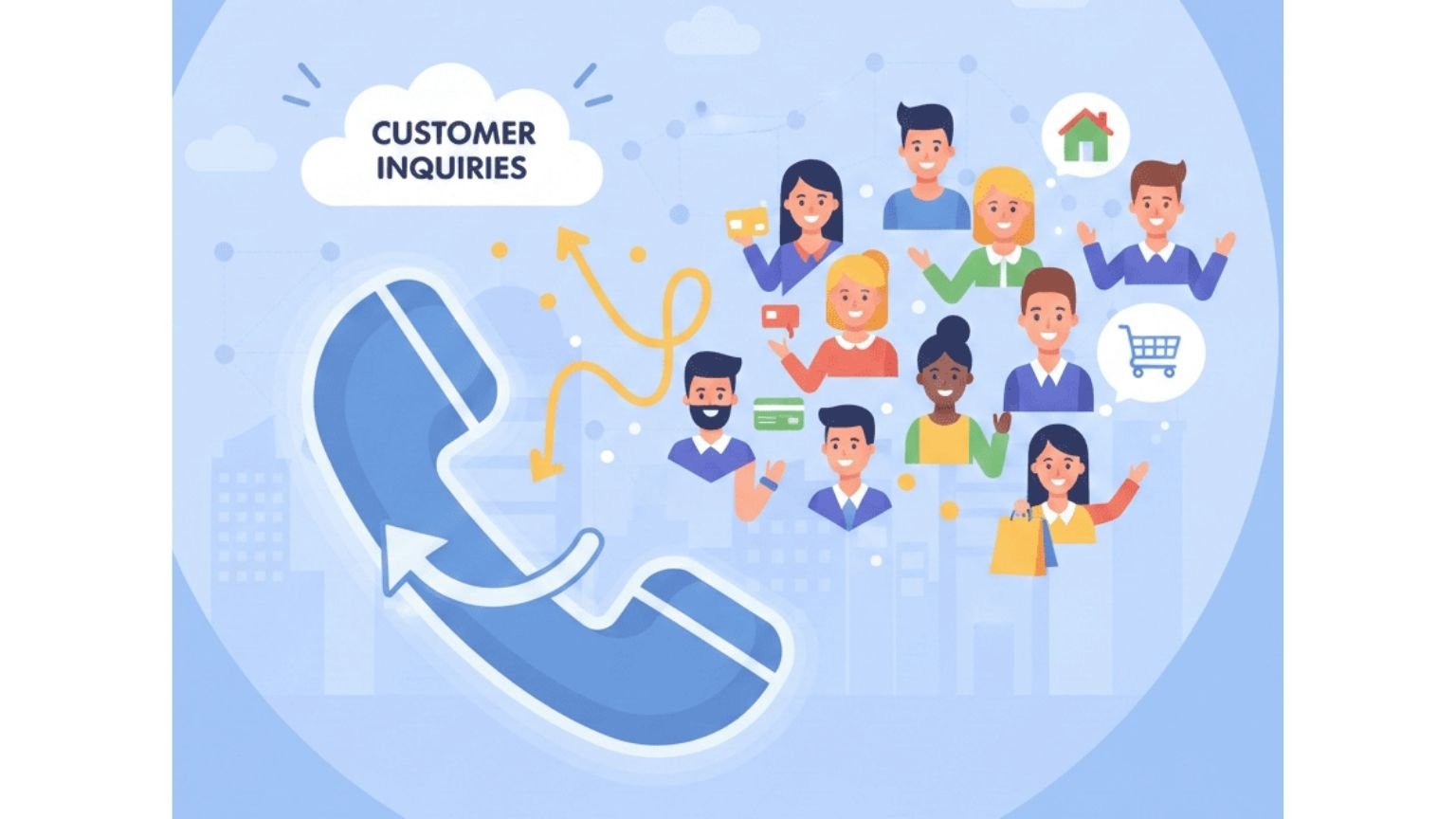
Most home service companies invest in online forms, landing pages, and websites, and expect a flow of clients. Web leads can generate interest but it comes with low conversion rates. Form submissions are easy to forget, delay, and ignore. Homeowners might lose urgency by time a company follows up, compare prices later, and fill out various forms in minutes. This results in wasted marketing spend on leads, missed follow-ups, and unanswered emails for service providers. This is where local inbound calls shift toward benefits. When clients pick up the phone, they are showing instant intent. They are just browsing, they need help immediately. Inbound calls allow companies to build trust, answer questions, and respond in real time via direct human interaction.
This urgency improves conversion rates dramatically for time-sensitive services like electrical work, roofing, HVAC, or plumbing. For instance, a local plumber might get 50 web leads monthly but only 10% of them convert into real jobs. In contrast, inbound calls from local homeowners convert at 70% to 80% when answered instantly. The difference lies in connection, intent, and urgency. Speaking with a real person shortens the decision-making process and reassures the customer. Focusing on local inbound calls is a more reliable and faster path to growth for home service companies looking to close more jobs or improve ROI.
Difference Between Local Inbound Calls & Web Leads
Knowing how local inbound calls differ from web leads help home service companies choose the right lead generation strategy. Both lead generation methods can generate opportunities, but the conversion potential, response time, and the intent vary significantly. Such differences impact customer satisfaction, efficiency, and impact revenue.
Web Leads
Web leads are generated when a customer sends an online inquiry or fills out a contact form. Such leads seem convenient, but they require additional time and effort before turning into real jobs.
How Web Leads are Generated?
Web leads come from third-party directories, service pages, or landing pages where customers submit their contact details. This process allows customers to reach various companies at once without any commitment, but it is passive.
- Third-party lead marketplaces.
- Email inquiries.
- Quote request forms.
- Contact forms on websites.
Response and Follow-Up Delays
The company must manually respond via email or phone after a form is submitted. Any delay can reduce conversion potential in competitive local markets.
- Missed responses can shift clients to competitors.
- Follow-ups happen outside business hours.
- Leads may sit in inboxes for hours.
Lower Lead Quality and Intent
Most web leads are exploratory and users could be planning future services, researching options, or comparing prices instead of looking to book instantly.
- Increase time spent chasing unqualified leads.
- Higher chances of zero response from the lead.
- Various companies contacted leads at once.
Inbound Calls
Inbound calls are initiated by the customer which shows a higher level of intent and urgency. This channel addresses their needs and allows companies to engage clients instantly.
Customer-Initiated Contact
When a customer calls, they expect instant answers and are looking for help. This self-qualification makes inbound calls stronger compared to form submissions.
- The caller is ready to talk.
- Questions are service-focused and specific.
- Buying intent is already established.
Real-Time Human Interaction

Speaking with a real person builds trust instantly. Clients feel reassured when they can get instant guidance and explain their issue.
- Higher confidence in the service provider.
- Faster decision-making.
- Instant problem clarification.
Strong Local Relevance
Local inbound calls come from people within a specific and defined service area. This increases the likelihood of successful job completion and makes scheduling easier.
- Better alignment with local demand.
- Reduced travel costs and time.
- Calls from nearby neighborhoods.
Faster Conversion Process
Inbound calls remove various steps directly from the sales funnel. Companies can move toward booking instead of waiting for follow-ups.
- Fewer touchpoints before conversion.
- On-the-spot pricing decisions.
- Instant appointment scheduling.
Key Operational Differences
The operational impact of inbound calls and web leads is significant for mid-sized and small home service companies that manage limited time and staff.
Lead Handling Efficiency
Inbound calls streamline the sales process by putting an end to back-and-forth communication. This benefits with higher closer rates per interaction, reduced follow-up fatigue, and less administrative workload.
Resource and Cost Allocation
Even though inbound calls are expensive, they provide better results because of higher conversion rates. The benefits with improved overall marketing ROI, less wasted spend on unqualified leads, and lower cost per booked job.
Customer Experience
Customers prefer instant solutions for urgent services. Inbound calls align according to these expectations. This benefits with stronger first impressions, clear next steps, and instant reassurance.
📝 For a deeper look at the key differences between web leads and inbound calls, check out “The Difference Between Leads and Inbound Calls (and Why It Matters)“, which shows why local calls consistenly outperform web leads.
The Psychology Behind Higher Conversion

Customer behavior has a massive role in why local inbound calls convert better and at a higher rate compared to web leads. When customers need an urgent service, their decisions are powered by speed, reassurance, and emotions instead of delayed responses or research cycles.
a. Preference for Instant Answers
People are wired to seek immediate feedback when an issue rises. Waiting for a callback or an email response creates frustration and uncertainty, this can push a customer to a competitor who answers instantly. It accelerates the buying process and removes mental friction when a customer calls and gets answers immediately.
- Faster response increases decision confidence.
- Real-time responses satisfy urgency.
- Instant answers reduce hesitation and stress.
b. Trust Built via Voice Interaction
Hearing a real person’s voice creates a sense of professionalism and legitimacy that text-based communication cannot match. Confidence, clarity, and tone in a voice all adds up to building trust within seconds after the call starts. A knowledgeable and calm voice reassures the caller that they are talking with a dependable local expert and not any anonymous business or an automated system.
- Trust forms instantly compared to written messages.
- Clients feel understood and heard.
- Voice conveys expertise and empathy.
c. Reduced Confusion and Confusion
Emails and forms leave space for second thoughts, misunderstandings, and unanswered questions. A live call enables customers to clarify concerns immediately which prevents doubt from delaying action. Talking through an issue helps clients move from uncertainty to action.
- Fewer assumptions about availability or pricing.
- Clear explanations reduce uncertainty.
- Questions answered in real time.
d. Emotional Reassurance During Stressful Situations
Most home service calls happen during stressful periods, like heating failures, power outages, or leaks. Emotional reassurance is the main driver of conversion in such situations.
- Confidence leads to instant commitment.
- Reassurance lowers anxiety.
- Clients seek calm guidance.
e. The Power of Two-Way Communication
Inbound calls create a dialogue and this interactive exchange allows companies to guide the conversation toward booking the service and builds rapport. A two-way conversation helps customers feel ready to move forward, understood, and valued, this increases conversion rates.
- Stronger engagement compared to static forms.
- Adaptive communication based on urgency.
- Personalized responses.
Why Local Proximity Drives Higher Call Conversions?
Local inbound calls give home service companies a clear benefit since proximity affects customer satisfaction, efficiency, and speed. Companies can provide a smoother service experience and respond faster when calls come from nearby homeowners.
1. Easier Dispatch and Scheduling
Calls from local customers allow companies to schedule jobs and shorter distances make it easy to fit appointments into the everyday schedule, even on short notice. Local calls help teams commit to service windows with confidence and reduce uncertainty in planning.
- Better use of technician time.
- Flexible scheduling for urgent requests.
- Faster appointment availability.
2. Faster Response Times Improve Customer Satisfaction
Instant response is a strong driver of client satisfaction in the home service industry. It reassures the customers that their problem is being taken seriously when a company can reach a nearby location instantly. Customers trust a company that responds instantly during time-sensitive situations and emergencies.
- Higher customer confidence.
- Faster problem resolution.
- Shorter wait times for service.
3. Reduced Travel Costs and Time
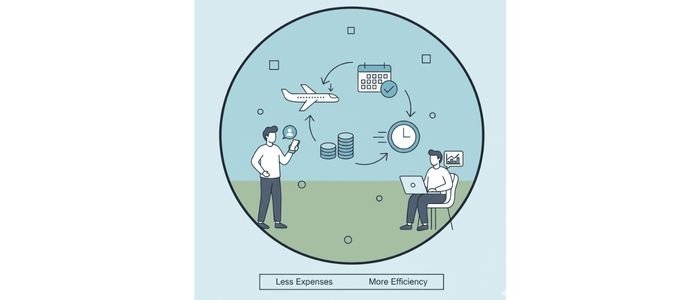
Serving nearby areas reduces technician fatigue, vehicle wear, and fuel expenses. Such operational savings mean more consistent performance and better service. Reduced travel time allows teams to execute and complete more jobs in a single day without having to compromise on quality.
- Increased daily job capacity.
- Less technician downtime.
- Lower operational overhead.
4. Stronger Local Relevance
Local inbound calls come from customers who prefer working with a nearby company. This preference is driven by belief, reputation, and familiarity that local companies understand regional requirements.
- Familiarity with neighborhood infrastructure.
- Better understanding of local regulations.
- Higher trust in local companies
5. Improved Long-Term Client Relationships
Consistently serving local customers helps build referrals and repeat business. Proximity enables companies to maintain solid relationships within their service area. Local inbound calls create an advantage by aligning trust, efficiency, and speed which makes them more valuable.
- Stronger community presence.
- Increased word-of-mouth referrals.
- Higher repeat service rates.
Example: ZIP-Code Targeting and HVAC Services
Locality is important during peak seasons for HVAC companies. A call from a nearby zip code enables faster dispatch during extreme weather conditions. When customers know that a technician can arrive instantly, they book a service right there and then.
- Improved emergency handling.
- Reduced downtime for customers.
- Faster response during cold snaps or heatwaves.
📈 For HVAC companies, calls from nearby zip codes allow improved customer satisfaction and faster dispatch. You can also buy HVAC leads onlineto connect with high-intent local customers instantly.
Why Mobile-First Behavior Increases Inbound Call Conversions?
Most customers search for local service companies on their smartphone when they need instant help. In fact, in the second quarter of 2025, mobile devices (excluding tablets) accounted for 62.4% of global website traffic. This mobile-first behavior makes phone calls a more preferred and faster option compared to filling out online forms. Mobile-first behavior has changed how customers interact with companies which makes phone calls a preferred action compared to filling out online forms.
i. Mobile Users Prefer Click-to-Call
Calling is more convenient and faster on mobile devices compared to typing information into forms. Customers can get answers instantly and directly speak to a service provider on mobile devices. Mobile users choose the path of least resistance and this is where click-to-call provides the fastest solution.
- Instant connection to a real person.
- No waiting for email responses.
- No form fields to complete.
ii. Forms Create Friction on Mobile
Filling out forms on small mobile screens can feel frustrating and tedious. Even the easiest forms can demotivate actions when customers are dealing with an urgent problem or are in a hurry. Every extra step increases the chances of a customer leaving without taking any action.
- Higher abandonment rates on mobile forms.
- Required fields slow down the process.
- Typing errors on small keyboards.
iii. Importance of Click-to-Call Placement
Click-to-call buttons must be accessible and visible across all mobile device touchpoints. They increase inbound call volume when placed correctly. Placing call buttons where customers expect them ensures higher engagement and fewer missed opportunities.
- Services pages and website headers.
- Mobile search ads.
- Google Maps business listings.
Mobile Search Behavior for Local Services
Local service searches on mobile devices include urgent instant. Phrases like “Open Now” or “Near Me” show readiness to contact a business instantly. Mobile searches are on the move which deals with real issues and are ready to act without any delay.
- Customers expect availability and fast answers.
- High percentage results in a phone call.
- Majority of local searches happen on mobile.
iv. Mobile Ads Designed for Calls
Call-focused mobile ads remove unnecessary processes by letting customers connect from the ad directly. This aligns well with urgency and mobile behavior. Mobile-first behavior favors inbound calls naturally, which makes click-to-call strategies important for home service companies that target high-intent local customers.
- Higher engagement during peak service hours.
- Reduced steps in the conversion funnel.
- Call-only ads increase lead quality.
How Multi-Channel Marketing Drives Higher Inbound Call Conversions?
High-performing home service marketing can depend on various channels, as it connects multiple touchpoints to guide customers toward highest-converting and fastest action, which is a phone call. Conversions become more predictable and consistent when channels work together.
– Calls Complement Other Lead Channels
Inbound calls work alongside text messages, emails, and web leads instead of replacing them. Every channel supports a different level of the client’s decision process, with calls serving as the final step toward booking. Calls turn passive interest into instant action by confirming intent and resolving questions on the spot.
- Calls close the sale via real-time conversation.
- Text messages support quick updates and confirmations.
- Emails provide reminders and follow-ups.
- Web pages build awareness and educate customers.
– Using Web Presence to Drive Calls
A solid web presence is effective when it motivates users to call rather than waiting for a response. Local listings, location pages, and service pages, every one of these plays a huge role in guiding visitors toward phone contact. The aim is meaningful conversations that lead to bookings.
- GPB (Google Business Profile) optimized for calls.
- Local landing pages with click-to-call buttons.
- Service pages with clear phone numbers.
📞Local listings and service pages can guide customers toward calling instantly. Pest control companies can also buy pest control leads onlineto increase booked appointments and supplement their inbound call campaigns.
– SMS and Email as Call Support Tools
Text and email messaging works best when they reinforce engagement via phone call. They help clients move closer to a live conversation instead of acting as standalone channels. Clear and short messages motivate instant action without having to overwhelm the customers.
- Text messages providing instant call-back options.
- Follow-up emails with “Call Us Now” prompts.
- Appointment reminders that prompt a call.
– Call-to-Action Strategy
This choice of using CTA has impacts on conversion rates. This CTA appeals to simplicity and urgency whereas forms introduce uncertainty and delay. Forms do capture non-urgent inquiries, but they must never compete with solid CTA.
- Calls feel more direct and personal.
- Forms require waiting for a response.
- CTA removes extra steps.
– Aligning Messaging Across Channels
Consistency across follow-ups, websites, and ads reduces confusion and strengthens trust. When each channel points toward calling, clients know what to do next. Multi-channel synergy ensures that each interaction supports inbound calls which creates a smoother path from exploration to conversion.
- Reduced decision friction.
- Clear phone-based CTAs.
- Unified messaging across platforms.
– Real-Time Personalization
The biggest benefit of local inbound calls is the ability to deliver personalized service. Calls enable companies to respond instantly to a solutions, recommendations, adjusting offers, and customer’s unique situation on the spot. This personalization increases conversion rates, satisfaction, and trust. The service provider can assess the customer’s preferences, the specific problem, and the urgency of the request when a customer calls. This information allows companies to customize the offer or service accordingly. Personalized interactions make the customer feel understood or valued. Such an emotional connection can create long-term loyalty and improve the chances of bookings.
- Recommend additional services that complement the request.
- Offer same-day appointments if urgency is high.
- Adjust packaging or pricing based on customer’s needs.
📖Platforms like Facebook can drive high-intent local calls when combined with a solid CTA strategy. For a detailed look at how ads generate inbound calls for home services, check out “The Role of Facebook Ads in Generating Calls for Home Services“.
Comparing the True Cost of Inbound Calls vs Web Leads
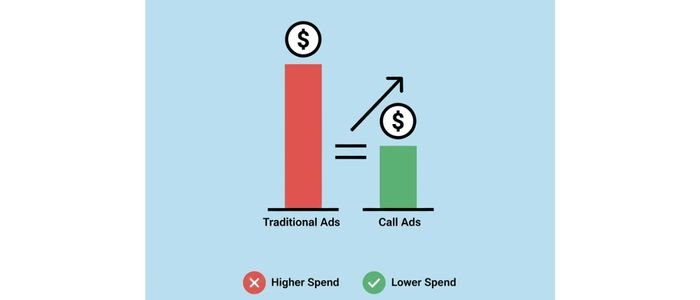
Knowing the cost differences between local inbound calls and web leads helps home service companies make wise marketing decisions. Web leads might seem cheaper upfront, but inbound calls provide higher value with the passage of time because of customer retention and conversion rates.
Cost Per Call vs. Cost Per Lead
Web leads are sold per submission at lower prices compared to call-based leads. The lower initial cost can be misleading since most web leads don’t convert into booked jobs. Although inbound calls are sometimes higher in cost since they connect companies with motivated clients who want to take action. The real metric lies in the cost per booked job. Even only one high-intent call can be worth 10 leads which makes inbound calls more cost-efficient in practice.
- Inbound calls cost more per lead but convert most of the time.
- Conversion rates for web leads are lower.
- Web leads might cost less per form submission.
Long-Term Value of Call Conversion
Inbound calls generate more than instant jobs, they can lead to repeat referrals and business. Customers who speak to live people have a stronger connection to a company, which increases the likelihood of future engagements. A converted call leads to months or years of revenue via emergency support, seasonal maintenance, or follow-up services. This long-term influence makes inbound calls a conversion tool and a strategic investment in customer retention.
- Stronger relationship and trust with the brand.
- Higher chance of customer referrals.
- Repeat service opportunities from happy customers.
How Inbound Calls Boost Efficiency & Reduce Lead Fatigue?
Home service companies struggle with lead fatigue when they have to manage large volumes of web leads. Unqualified inquiries, duplicate submissions, and repetitive follow-ups can reduce team productivity and drain resources. Focusing on local inbound calls helps minimise such challenges by connecting high-intent customers with companies.
Low-Quality and Duplicate Web Leads
Web leads include contacts or duplicates that do not result in real jobs. Sales staff spend time chasing clients who might never convert which leads to inefficiency and frustration. Each wasted follow-up consumes energy and time that can be spent closing qualified leads which reduces overall sales efficiency.
- Leads with low interest or urgency.
- Incomplete or incorrect contact information.
- Various submissions from the same user.
How Inbound Calls Reduce Fatigue?
Inbound calls self-qualify since the customers initiate the contact which shows real interest. Such natural filtering ensures that sales staff spend more time engaging with customers who want to take action. Companies can focus on closing jobs, improve response times, and streamline operations by concentrating on inbound calls.
- Instant qualification based on urgency and needs.
- Real-time interaction reduces back-and-forth.
- Calls from highly pushed customers.
Building a Sustainable Lead Pipeline
Focusing on high-intent calls creates a steady stream of customers. Sales staff become energized and marketing budget is effectively allocated toward generating leads that convert in real-time. Inbound calls improve conversion and also create a more efficient and sustainable workflow for home service companies which avoids the pitfalls of lead fatigue.
- Better overall return on marketing investment.
- Reduced team burnout.
- Higher conversion rates per contact.
🎯High-intent calls minimize lead fatigue and reduce wasted follow-ups. Plumbing companies can also buy plumbing leads online and plumbing leads near youto connect with serious customers.
Debunking Common Misconceptions About Inbound Calls
Most home service companies hesitate to prioritize inbound calls due to common misconceptions. Misunderstandings about lead quality, manageability, and cost causes companies to depend on web leads, even though inbound calls deliver higher ROI consistently. Clarifying such misconceptions help companies to focus on high-converting strategies and make smarter marketing decisions.
Misconception 1: Web Leads are Easier to Manage
It is a common belief that web leads are easy to manage because they arrive in an email inbox or CRM. Web leads are easy to track and digital, but they require verification, qualification, and follow-ups which are time-consuming.
- Sales staff spend time chasing low-intent leads.
- follow-up delays reduce conversion potential.
- Most web leads are duplicate or unqualified submissions.
Solution: Implement real-time routing with call-focused marketing campaigns. Calls connect to a live representative which eliminates repeated follow-ups, which allows sales staff to focus on ready-to-book clients.
Misconception 2: Calls Cost More Than Forms
Most companies assume inbound calls are expensive since call leads have higher upfront costs. This is true per lead, the lifetime value and conversion rate of a caller makes calls more effective.
- Higher average job value per caller.
- Inbound calls convert more when answered instantly.
- Web leads have a low conversion rate.
Solution: Evaluate cost per booked job because companies discover that investing more in inbound calls results in referrals, repeat business, and higher revenue, which makes the overall ROI superior to web leads.
Misconception 3: Forms Capture Enough Information
Web forms can collect basic information, but they provide personalized recommendations, clarify intent, or assess urgency. This limits their effectiveness in closing high-intent customers.
Solution: Use calls to supplement web forms. For instance:
- Route urgent inquiries to live representatives instantly.
- Motivate follow-up calls via SMS or emails for incomplete forms.
- Include click-to-call buttons on local listings or service pages.
Conclusion
Focusing on local inbound calls alters how home service companies connect with customers. Calls capture personal context, intent, and urgency unlike web leads, which allows sales staff to respond with customized solutions. They open opportunities for referrals and repeat business, reduce wasted effort, and streamline operations. Businesses can maximize revenue per interaction, improve satisfaction, and build stronger relationships by prioritizing calls in marketing strategies. Investing in high-intent inbound calls leads is a long-term strategy for superior customer experiences and sustainable growth.
FAQs
What are the benefits of local inbound calls?
Local inbound calls allow companies to boost satisfaction, build stronger relationships, and address customer needs instantly and benefit with loyalty via real-time problem-solving.
How do inbound calls convert better than web leads?
Inbound calls convert better compared to web leads because callers show instant intent which allows faster booking and real-time engagement than passive web leads.
How quickly should a company answer an inbound call?
It is called a 5 minute rule for leads, meaning companies must answer calls within 5 minutes. Fast response increases trust and conversion.
How do inbound calls help with upselling services?
Inbound calls help with upselling services because representatives can suggest complementary and additional services in real time, this increases average job value.


Leave a Reply