

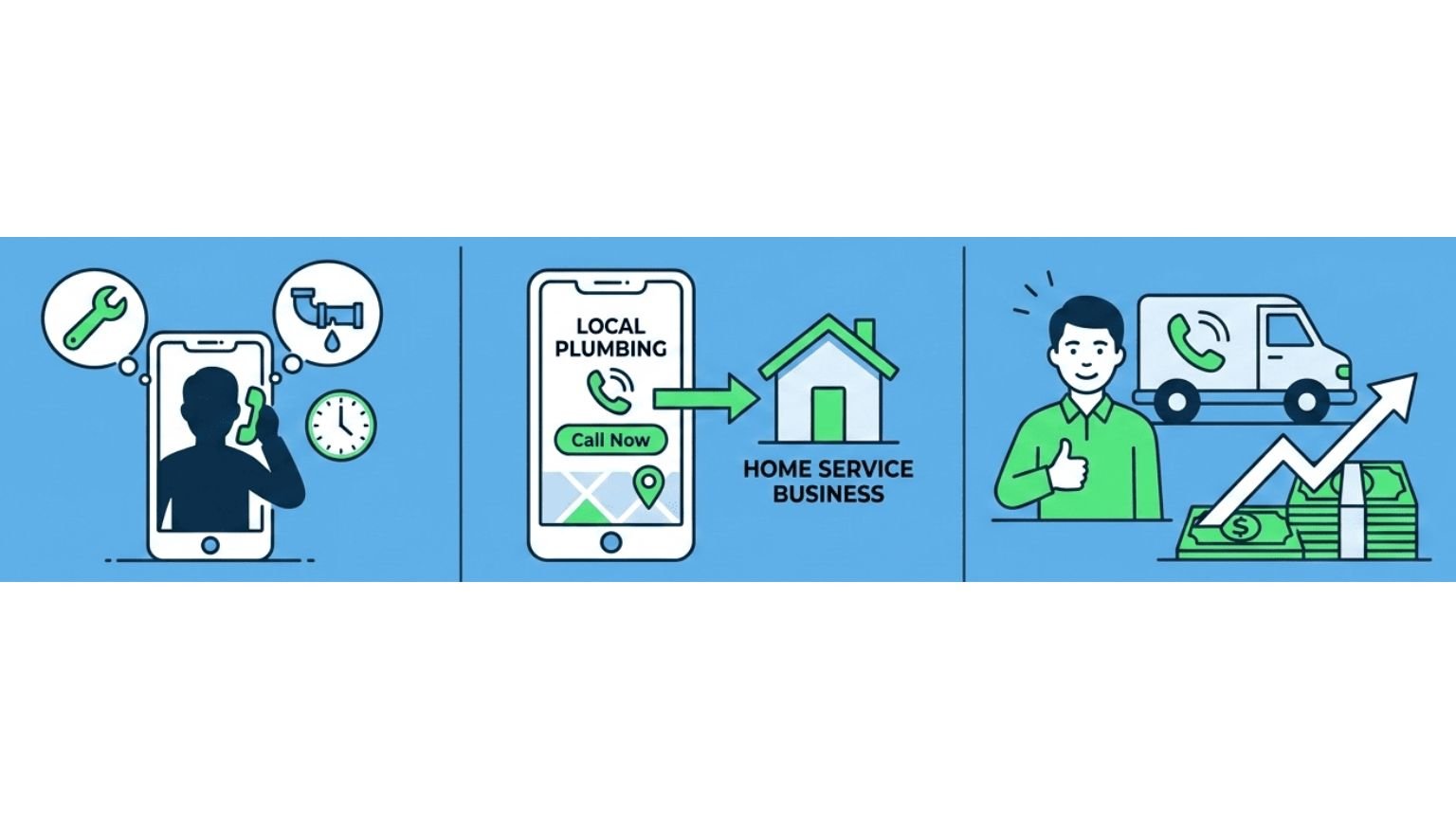
Inbound call generation means attracting customers who pick up their phones and directly call your company. Customers speak to a professional in real time instead of sending an email or filling out a form. For home services companies this direct contact is vital because customers want instant answers since their requests are urgent. Studies show that 60% of the customers prefer calling a business when they need same-day or emergency service, this is why a phone conversation boosts conversions, quicker bookings, and builds trust faster.
How Inbound Calls Differ from Other Leads?
Inbound calls are different from other lead types because they create direct and instant communication between the business and the customer. Calls allow real conversations that can move customers toward booking a service immediately unlike emails or digital forms. This difference is important for local service companies who rely on instant scheduling, trust, and urgency. The home service industry is rapidly expanding, projected to rise from $424.86 billion in 2025 to $463.96 billion in 2026, reflecting a solid 9.2% annual growth rate.
Online Forms vs. Inbound Calls
Online forms require customers to wait for a response and fill details. This delay can causes frustration if the issue is urgent, and for results lost leads due to slow response times, incomplete information, and delayed follow-ups.
Inbound Calls vs. Email Leads
Email inquiries are best for general questions but are slower because customers might send various emails before making a final decision. Emails leads might involve lower urgency levels, long decision cycles, and back-and-forth communication.
High-Intent Nature of Inbound Calls
Customers are ready to hire when they pick up the phone to call because they are not casually scrolling; they are looking for a solution immediately.
Why Callers Convert Better?

Callers have a clear issue and a defined requirement; they want instant confirmation, availability, and pricing. High-intent signals involve confirming service costs and areas, requesting an appointment time, and asking for emergency or same-day service.
The Urgency Factor
Phone calls create real-time interaction because questions and answered immediately, and objections can be handled right away.
Real-Time Problem Solving
Companies can schedule jobs within minutes, provide estimates, and explain services during a call. This increases booking chances and reduces hesitation. Benefits of such immediacy is higher overall conversion rates, stronger customer trust, and faster appointment scheduling.
Trust and Personal Connection
Having a live conversation builds confidence in different ways that text can never do, like professionalism, reassurance, and tone of voice influences customer decisions.
Instantly Building Rapport
Home services require a person entering a customer’s home, and a clear phone with friendly interaction helps to establish credibility and trust early. Trust building factors involve empathy toward the customer’s problem, professional greeting, and clear communication.
To understand why calls are more effective compared to typical leads, you can read “The Difference Between Leads and Inbound Calls (and Why It Matters)” for a detailed explanation.
4 Benefits of Inbound Call Generation
Inbound call generation provides benefits for home service companies because it directly connects with customers who are looking for help. This direct interaction leads to stronger outcomes and faster decisions. Phone-based leads can create measurable improvements in revenue and performance for home service companies that are operating in competitive local markets.
Higher Conversion Rates
Phone conversations tend to convert better compared to email inquiries or online forms because when customers call, they are closer to making a decision. A live discussion allows companies to guide the customer toward booking a service and immediately address concerns. Speaking to a professional directly reduces hesitation and misunderstandings, this allows customers to clarify details right away rather than waiting for replies. Key factors behind higher conversions are:
- Personal reassurance during the call.
- Ability to schedule appointments on the spot.
- Clear explanation of services.
- Instant answers to pricing questions.
For more details on why inbound calls outperform web leads, see “Why Local Inbound Calls Convert Better Than Web Leads“.
Instant Customer Engagement

Inbound calls create real-time engagement between the customer and the business because there is no delayed follow-up or waiting period. This quick interaction is vital for urgent home service needs because customers can explain their issues in detail during a call, which allows companies to gather essential information without different exchanges. Benefits of quick engagement are:
- Enhanced customer satisfaction.
- Quicker booking confirmation.
- Reduce back-and-forth communication.
- Faster problem assessment.
Trust Building
Personal interaction plays a huge role in building credibility because a helpful and professional tone can strongly influence customers’ decisions. Trust is crucial because services require entering a customer’s home and local home service companies have to obtain this confidence. A live conversation shows professionalism and dependability because customers feel confident when they speak with a real person. Trust building elements are:
- Confident answers to concerns.
- Empathic listening.
- Transparent pricing discussions.
- Polite and clear greetings.
Learn more about improving customer confidence in “Boosting Brand Trust Through Localized Inbound Call Campaigns“.
Better ROI (Return on Investment)
Leads generated via inbound calls are more likely to result in paid jobs because it increases marketing efficiency. The CPA (Cost Per Acquisition) can be lowered compared to less engaged leads because callers have solid intent. High-intent customers require less nurturing because the path from inquiry to payment is shorter. More ROI benefits are:
- Increased RPCI (Revenue Per Customer Interaction)
- Better use of marketing budgets.
- Fewer wasted leads.
- Higher booking rates.
6 Key Strategies to Increase Inbound Calls
Generating inbound calls requires listing a phone number online and structuring marketing approaches that makes it easy for customers to find and contact companies. A blend of solid call tracking, paid advertising, and organic visibility can improve lead quality and significantly increase call volume.
Optimized Local SEO & GBP (Google Business Profile)
A fully optimized GBP helps companies show up in map listings and visibility directly impacts call volume when local search results because when customers look for nearby services. Local SEO ensures that companies appear when customers look for a home service. Steps to Enhance Local Visibility Consistent updates and precise information enhance ranking and trust. Local citations and reviews also strengthen credibility. Optimization essentials include:
- Location-based keywords on website pages.
- Active review management.
- High-quality pictures.
- Updated business hours.
- Correct business phone number, address, and name.
Learn more strategies in “Maximizing ROI with Local SEO for Home Services“.
Click-to-Call Ads on Google and Social Media Platforms
Click-to-call ads allow customers to instantly contact a company. Customers just have to tap and dial directly instead of visiting a website first. This increases the chances of instant inquiries and reduces friction. Most local searches happen on smartphones and this makes the calling process effortless, while enhancing response rates. Benefits of click-to-call ads are:
- Stronger intent-based targeting.
- Higher engagement from mobile users.
- Reduced steps to conversion.
- Faster customer action.
Paid Marketing on Google Ads and Bing Ads
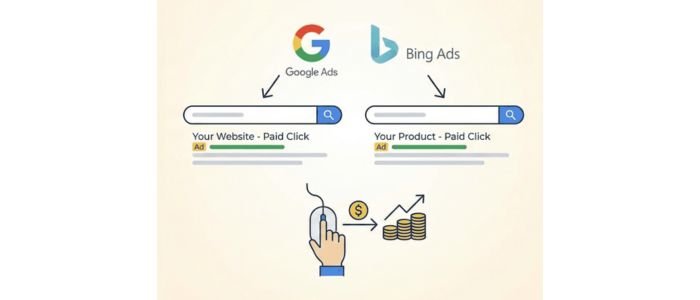
Paid search marketing places your company at the top of search results and platforms like Google Ads and Bing Ads allow you to target specific local areas and service keywords. Such marketing campaigns help to capture customers who are services. Proper budgeting and strategic keyword selection enhance improvement, and ad copes must show availability and urgency. Effective paid ad tactics are:
- Optimize landing pages for mobile users.
- Monitor cost per call.
- Schedule ads during peak service hours.
- Use call extensions.
- Target high-intent keywords.
Check “Top Strategies to Attract Local Customers for Home Services” for additional tactics to attract nearby customers.
Social Media Marketing
Social media platforms also drive inbound calls, even though users might not always look for urgent services on social platforms, building strong visibility and brand awareness is necessary. Targeted ads allow home service companies to reach customers within specific service areas or neighborhoods. Direct contact and clear messaging options enhance results as ads include direct contact prompts or call buttons. Social media strategies include:
- Retargeting previous website visitors.
- Video demonstration.
- Seasonal service ads.
- Promotional offers.
- Geo-targeted campaigns.
Clear Website Contact Information
A website must make it easy for customers to call because if they struggle to find a phone number, they will contact a competitor and leave your site. Simplicity and visibility are main factors that increase inbound calls. Phone numbers must appear consistently and prominently across every page, making mobile-friendly design more important. Website improvements involve:
- Fast-loading pages.
- Simple service request page.
- Sticky contact bar for mobile users.
- Call-to-action buttons.
- Clickable phone number in header.
Call Analytics and Tracking
Tracking inbound calls help companies to understand which advertising effort is generating outcomes and it is difficult to accurately measure performance without data. Call analytics provide insights into campaign effectiveness and customer behavior. Monitoring call sources allows better strategy adjustments and budget allocation. Data-driven decisions enhance efficiency and vital tracking metrics are:
- Cost per acquired customer.
- Conversion rate from call to booking.
- Missed call rate.
- Call duration.
- Number of calls per campaign.
Learn why call-focused marketing matters in “Why Every Home Service Business Needs a Call-Driven Marketing Strategy“.
Cost Comparison: Calls vs. Other Marketing Channels
Understanding marketing costs help local home service companies effectively allocate budgets because various marketing channels produce different returns, engagement levels, and lead quality. Inbound calls stand out since they combine faster conversion with solid intent.
Inbound Calls vs Form Leads or Emails

Form submissions and emails can generate interest but require follow-up, this additional step might lower overall conversion rates, whereas Inbound calls shorten the sales process and create instant dialogue. Direct conversations improve booking rates and reduce delays because high-intent callers have more chances of transforming into paying customers.
Comparison with Traditional and Paid Channels
Various marketing channels vary in performance and cost as offline methods and paid ads can drive awareness. But not every lead shows equal intent, this is why measuring cost per acquisition is important as it helps to determine which channel performs best. Most channels generate volume, others generate quality, and inbound calls balance both. Channel differences are:
- Calls provide instant and measurable results.
- Flyers create visibility but limited tracking.
- Social media ads build awareness but might have lower urgency.
- PPC ads capture high-intent searches.
Cost and Conversion Overview
Companies that prioritize high-intent marketing channels see improvement in stronger overall marketing performance and revenue efficiency. Below is a general comparison of common marketing channels for local home service companies.
| Marketing Channel | Lead Intent Level | Conversion Speed | Tracking Ability | Typical ROI Potential |
| Inbound Calls | High | Fast | Strong | High |
| Email/Form Leads | Medium | Moderate | Strong | Medium |
| PPC Ads (Google/Bing) | High | Fast | Strong | Medium to High |
| Social Media Leads | Medium | Moderate | Strong | Medium |
| Flyers/Print Ads | Low to Medium | Slow | Limited | Low to Medium |
Inbound call generation has a main role in helping local home service companies to connect with high-intent customers. From better ROI to stronger conversion rates, phone-based leads provide a clear benefit over slower communication channels.
To get more high-intent customers, most companies choose to buy plumbing leads online from reliable providers.
Human Touch vs Automation in Call Handling for Local Home Service Companies
Automation tools like AI routing and call menus can enhance efficiency because they reduce wait times during busy hours and help direct callers instantly.
Importance of Human Interaction
Talking to a real person builds confidence and trust because personal conversations increase customer satisfaction and increase bookings.
Pros and Cons of Automation
Automated systems can streamline operations but they might also reduce personal connection.
Pros
- Reduces staff workload.
- 24*7 availability.
- Faster call routing.
Cons
- Possible drop-offs before reaching an agent.
- Caller frustration with complex menus.
- Impersonal experience.
Conclusion
Inbound calls can drive steady growth when supported by balanced automation, proper tracking, and smart marketing strategies. Companies that prioritize genuine customer interaction and fast response times are more likely to remain competitive in an expanding market, secure bookings, and build trust.
Local moving companies can increase revenue and save time when they buy moving leads online from trusted providers.
FAQs
Why are telephone calls important for local home service businesses?
Phone calls solve issues faster and speed up communication faster than emails, which allows real-time conversations to catalyze decision-making, discussion, and quick clarification.
What is meant by inbound call generation?
Inbound call generation is a marketing strategy that encourages customers to call your company directly rather than sending emails or filling out forms.
Why do phone calls convert better than online forms?
Phone calls convert faster because customers’ concerns can be addressed quickly and in real-time.
Are inbound call leads more expensive compared to other lead types?
Not necessarily; inbound call leads provide better ROI since they convert at higher rates.


Leave a Reply