

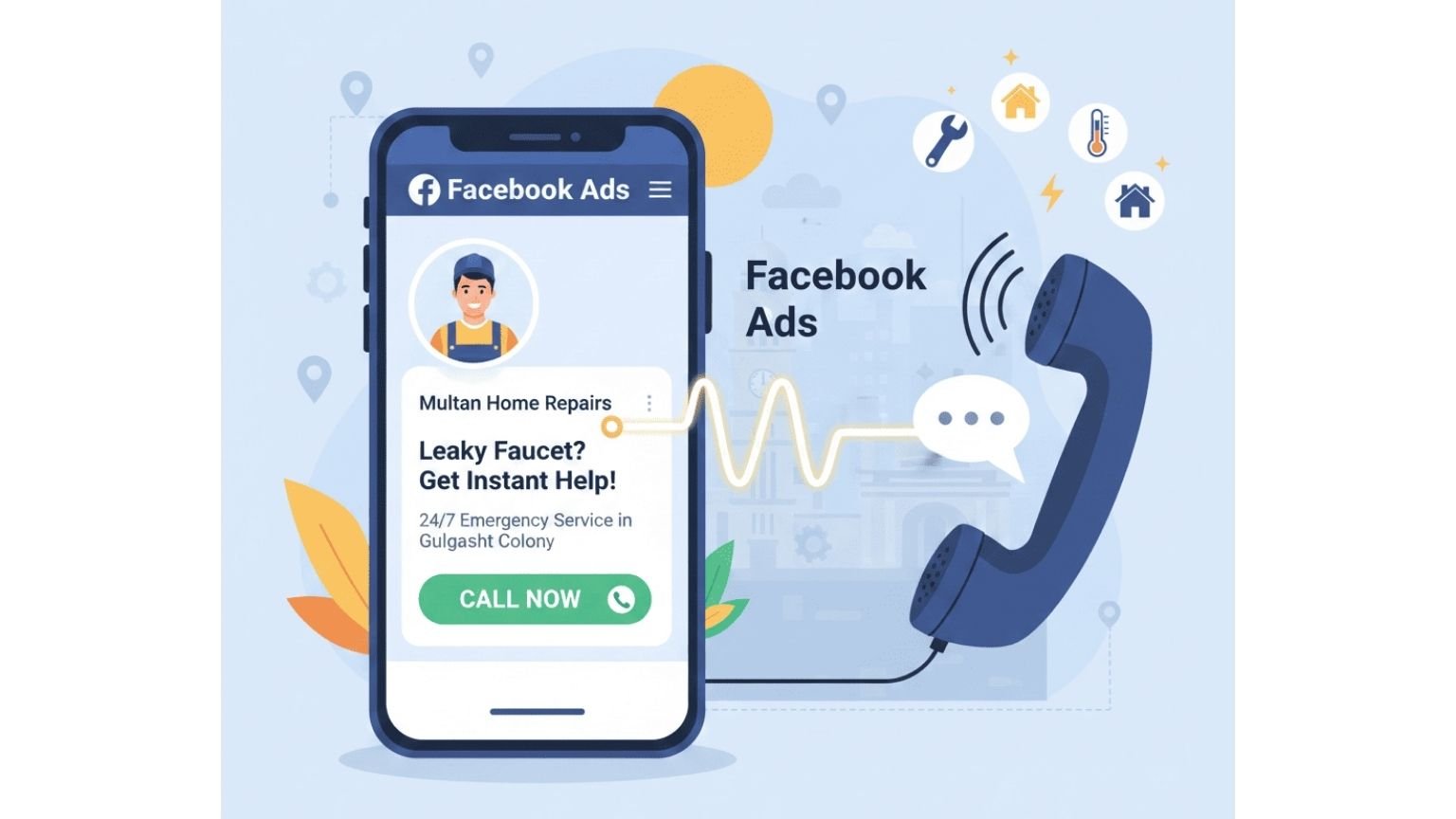
Connecting with the right homeowners at the right time is important for home services companies such as HVAC contractors, remodeling businesses, electricians, roofers, and plumbers. Facebook Ads have become a useful marketing channel since they allow service providers to reach local homeowners. Facebook makes it easy to show your services to people who need it, this is due to mobile-friendly ad formats, interest-based audiences, and location targeting. Facebook Ads can be designed to drive instant action unlike traditional form-based or advertisement lead generation. Call-focused and click-to-call ad formats motivate homeowners to pick up the phone, making them effective for high-intent or urgent services like quick estimates, maintenance requests, or emergency repairs.
Localized messaging, customer testimonials, and visual ads help build trust, which plays a huge role in a homeowner’s decision to call a service provider. Facebook Ads plays a lead role in connecting homeowners with qualified providers via inbound calls and high-quality leads when executed correctly. These calls and leads come from users who want to get a specific service, this makes Facebook Ads a highly valuable component of a call-driven lead generation strategy for home service companies.
The Psychology Behind Facebook Ads That Generate Calls
Understanding the psychology behind Facebook Ads is important for home service companies targeting to generate high-quality leads and calls. Effective ads inform and tap into homeowner’s trust, relevance, addressing urgency, and motivation. Companies can influence homeownrs to engage with services and take instant action by designing ads with such psychological triggers in mind. Ads that create a sense of urgency and appeal to local relevance motivate homeowners to pick up the phone. Visual cues helps customers to quickly understand the service’s relaibility and value and reinforce the message.
1. Urgency Drives Instant Action
Homeowners call when they perceive a service need as urgent. Ads show limited-time offers and time-sensitive issues that motivate users to act instantly whichh also reduces hesitation. Ways to convey urgency:
- Include availability indicators or countdowns.
- Show seasonal service or emergency needs.
- Use phrases like “Limited-Time Offer” or “Call Now for Immediate Service“.
2. Local Relevance Builds Trust
Targeting homeowners in specific cities or neighborhoods makes ad feel relevant and personalized. Local relevance shows that the company is ready to serve to nearby residents, trustworthy, and accessible. Tactics for local relevance:
- Focus messaging on issues common in the areas like seasonal repairs.
- Include imagery or local landmarks to create familiarity.
- Mention the service, neighborhood, or city area in the ad copy.
3. Visual Cues Capture Attention
Videos and images help homeowners understand the quality and value of services. Strong visuals, transformation, customer testimonials, and service demonstrations encourage action and reinforce credibility.
How Facebook Ads Work for Generating Inbound Calls?
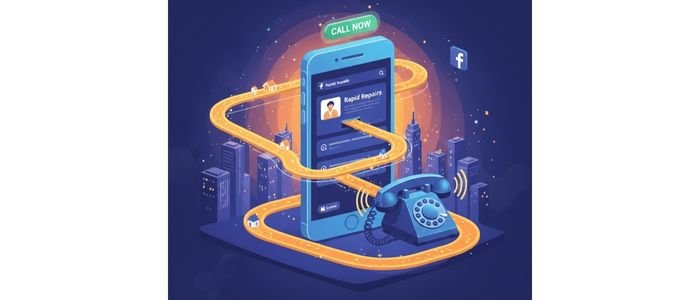
Facebook Ads have a key role in helping home service companies connect with homeowners who are interested in their services. Instead of focusing on volume only, these ads are made to create direct opportunities for real engagement, filter out low-quality traffic, and attract high-intent users. Facebook ads can generate exclusive and high-quality leads along with real-time inbound when structured correctly. These are the leads that are most likely to convert into booked jobs. Companies can control how homeowners interact with their ads and maintain lead quality at each stage by combining strategic conversion paths with targeted ad formats.
Call-Focused Ad Formats
Call-focused ad formats are designed to encourage instant action and filter out casual browsers naturally. Such formats are effective for home services where speed, trust, and urgency influence decision-making.
– Click-to-Call Ads / Call Ads
Click-to-call ads feature a “Call Now” button that enable homeowners to connect immediately from their smartphone. Since making a call mainly requires clicking a link, this format attracts users who are motivated and want to discuss what they want. Companies get more high-quality and direct inquiries compared to passive interest. Such ads work well for time-sensitive or emergency services like homeowners, urgent repairs, HVAC breakdowns, and plumbing issues, where homeowners want to talk to a professional instantly.
Leads Ads with Phone Number Capture
Leads Ads use a slightly varied approach by collecting homeowner’s information via pre-filled forms. These forms allow companies to qualify leads before contacting them, this reduces friction. Leads Ads help ensure that incoming inquiries are exclusive and legitimate by capturing relevant details upfront and accurate phone numbers. This format closes the gap between call-based conversions and lead generation when used effectively.
When Leads Ads Add Value
- Support consistent lead quality across marketing campaigns.
- Allow basic qualification before follow-up.
- Capture homeowner intent without requiring an instant call.
– Multi-Step Call Conversion Paths
Not all homeowners are ready to call on first interaction. Facebook Ads support various conversion paths that balance quality control with ease of access which helps companies guide users toward calls without having to sacrifice lead value.
Direct Call Path
Some marketing campaigns are made to move homeowners directly from the ad to a phone call. This method works best for highly localized offers or urgent services and prioritizes speed where instant response matters.
DM or Messenger to Scheduled Call
Homeowners start a conversation via direct messages or Messenger before scheduling a call in this path. This additional step enables companies to filter inquiries before a call takes place, confirm service availability, and answer quick questions, this results in high-quality and better-prepared conversations.
Landing Page to Phone Call
This method sends the user to a dedicated landing page that encourages them to call, builds trust, and explains the service. Even though it is also an additional step, it helps eliminate low-intent traffic and educate homeowners before the phone rings.
Why Multi-Step Paths Enhance Lead Quality?
- Increase exclusivity by limiting unnecessary calls.
- Educate homeowners before contact.
- Filter out non-serious or casual inquiries.
– Reducing Friction Without Compromising on Quality
A common challenge in digital marketing is balancing lead quality with ease of action. Facebook Ads allow companies to remove unwanted hurdles, like complex navigation or long forms, and still maintain control over who reaches out. Advertisers can ensure that only homeowners who really need the service by using structured conversion paths, clear service areas, and intentional messaging. This approach helps generate high-quality and exclusive leads and inbound calls. Strategically designed Facebook Ads campaign focuses on connecting the right service provider with the right homeowner at the right moment without wasting attention on low-intent interaction, budget, and time.
🔍To understand key difference between leads and inbound calls, and why this matters for your campaigns, check out “The Difference Between Leads and Inbound Calls (and Why It Matters)“.
Why Do Facebook Ads Work for Home Service Companies?
Facebook Ads have become a dependable channel for home service companies looking to efficiently reach homeowners and at scale. In fact, 93% of social media marketers use Facebook Ads, compared to 73% who advertise on Instagram, this shows its dominance as a marketing platform. The platform blends engaging ad formats with advanced targeting options which allow service providers to appear in front of the right audience without having to only depend on search behavior. This makes Facebook Ads effective for generating direct responses, qualified leads, and consistent interest from homeowners within specific areas. Facebook Ads help home service companies attract homeowners who have more chances of moving forward, inquire, and engage with a service request by focusing on cost control, visibility, and relevance.
i. Local Audience Targeting
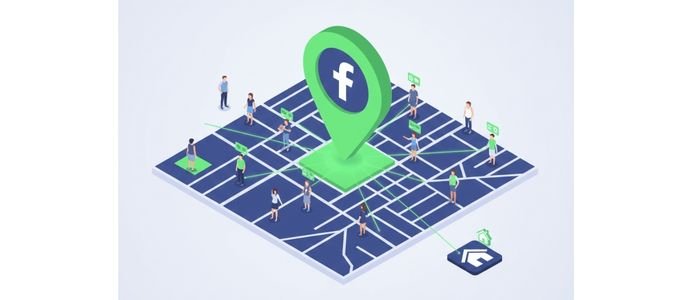
Local audience targeting is a strong benefit that Facebook Ads provide to home service companies. Advertisers can narrow their reach to homeowners within accurate geographic boundaries instead of broadcasting messages to untargeted and broad audiences. Companies can ensure that their ads are shown only to audiences within their service area by using radius targeting, city limits, and zip codes.
How Hyper-Local Targeting Improves Results?
- Supports non-overlapping and exclusive lead generation.
- Increases relevance for nearby homeowners.
- Limits exposure to serviceable areas only.
This local focus increases the likelihood that incoming inquiries come from homeowners who want to hire and also reduces wasted spend. Local targeting also enables companies to customize their messaging based on neighborhood-specific services, seasonal demand, and regional needs which makes the ads feel more timely and relevant.
ii. Demographic Targeting & Interest
Facebook Ads enable advertisers to refine their audience using demographic and interest-based data beyond location. This makes it possible to reach homeowners who are nearby and are more likely to need a specific service. Targeting options can include homeownership indicators, household characteristics, age ranges, and interests related to renovation, maintenance, and home improvement. Examples of use targeting shows:
- Property ownership aligned with age groups.
- Interests in maintenance, repairs, or remodeling.
- Household status and homeownership.
Companies can focus on users who match their ideal client profile by layering such factors instead of depending on broad assumptions. Demographics and interest targeting helps filter out-intent users. When Facebook ads are shown to homeowners who show preferences and relevant behaviors, the resulting leads tend to be more engaged and informed.
iii. Cost-Effectiveness for Local Companies
Facebook Ads provides more control over performance and budget compared to traditional advertising methods like newspaper ads, billboards, and flyers. Advertisers can scale spending based on what delivers results, test multiple campaigns, and start with smaller budgets. Facebook’s performance data allows companies to refine messaging over time, adjust targeting, and track engagement. This flexibility keeps acquisition costs predictable and helps maintain consistent lead quality. This cost-effective structure makes Facebook Ads a scalable solution for local home service companies that support steady growth without any financial risk linked with traditional advertising channels.
iv. Visual Storytelling
Visual storytelling plays a huge role in how Facebook Ads build trust and capture attention. Home services are visual by nature, which makes real customer experiences effective, service demonstrations, and before-and-after images. Solid visuals help homeowners understand the quality of work being provided without any long descriptions. Short videos or testimonial images can reduce hesitation by showing satisfied clients and real results. Companies can communicate reliability, professionalism, and results in a way that feels natural within a social feed by presenting services visually. Visual elements that drive engagement are:
- Review highlights and customer testimonials.
- Short service walkthrough videos.
- Before-and-after project images.
🛒 For service-specific campaigns like HVAC, businesses can also choose to buy HVAC leads onlinefrom HoomAdvertising, where exclusive inbound calls are generated through Facebook Ads, Google Ads, and SEO-driven traffic sources.
How to Create Facebook Ads That Drive Inbound Calls?
Designing Facebook Ads that generate inbound calls and exclusive leads requires broad messaging and attractive visuals. Home service companies need ads that encourage instant action, address homeowner concerns, and clearly communicate value. Facebook becomes a solid channel for generating qualified responses and high-intent engagement when targeting, messaging, and ad structure work together. The effectiveness of call-driven ads relies on how well every element supports trust, relevance, and urgency while moving homeowners toward direct contact.
a. Strong CTA (Call-to-Action)
A compelling and clear call to action is an important component of a call-focused Facebook Ad. Homeowners must instantly understand why taking that action benefits them and what action to take. CTAs that focus on expertise, availability, and speed tend to perform well for home service companies. Action-oriented language sets clear expectations and reduces hesitation. When a homeowner sees a CTA that aligns with their instant requirements, they engage without rethinking their decisions. Solid CTAs work perfectly when combined with visible contact options with concise messaging, especially on smartphones where most interactions happen.
b. Persuasive Ad Copy
Ad copy has a massive role in encouraging homeowners to call. Effective Facebook Ads address common homeowners problems directly and highlight benefits instead of focusing on features. This problem-and-solution method helps homeowners to instantly identify how the service is according to their situation. Elements of high-performing ad copy are:
- Reassurance via reliability or experience.
- Instant service or solution offering.
- Clear identification of the homeowner’s issue.
For instance, messaging that speaks to seasonal maintenance needs, unexpected breakdowns, and urgent repairs require instant responses. Direct benefits, simple structure, and clear language help build confidence and eliminate confusion in the service being provided. Persuasive copy sets expectations for the call by explaining homeowners what they will gain from reaching out, like transparent pricing, expert guidance, and fast service.
c. Geo-Targeted Offers
Geo-targeted offers enable home service companies to customize their ads to specific locations which makes the messaging feel more personal and relevant. Ads can address service availability and local needs directly by focusing on neighborhoods, defined service regions, or cities. Benefits of location-specific messaging:
- Better alignment with timing and local demand.
- Improved response rates from serviceable areas.
- Higher relevance for local homeowners.
Localized offers perform better since homeowners trust companies that clearly operate in their area. Monitoring region-specific promotions, nearby communities, or local service zones reduce uncertainty and reinforce credibility. Geo-targeting helps control lead quality by limiting responses to homeowners within specific or serviceable areas, this reduces wasted ad spend and improves efficiency.
d. Retargeting Campaigns
As stated before, not every homeowner calls after the first interaction. Retargeting campaigns help re-engage users who interacted with a content, visited a landing page, or viewed an ad in the past but did not take action. Such follow-up ads reinforce the original message and act as reminders, which increase trust and familiarity. Retargeting can introduce a company via service availability updates, reminders, or limited-time offers. Retargeting campaigns tend to generate high-quality inbound calls and exclusive leads by focusing on users who have previously shown interest.
How Retargeting Supports Lead Generation?
- Increases call conversions over time.
- Reinforce credibility and service value.
- Re-engage undecided but interested homeowners.
5 Key Metrics to Measure High-Quality Leads & Inbound Calls
For home service companies, it is equally important to evaluate the exclusivity and quality of leads. Measuring performance enable advertisers to understand which marketing campaign are improving ROI, optimizing budgets, and driving high-intent interactions. Companies can ensure that their efforts generate opportunities that convert into booked services by focusing on matrics that track lead quality and engagement. Evaluating the right set of metrics helps to determine how effective CTAs, messaging, and ad targeting are in attracting homeowners who want to take action.
CTR (Click-Through-Rate)
CTR measures the percentage of users who interact with an ad after seeing it. A higher CTR shows that the ads resonate with homeowners and pushes them to engage with the content or call. Tracking CTA and lead exclusivity helps in differentiating between clicks from homeowners who are interest and may become a paying customer and general clicks. A high CTR from a fully targeted audience correlates with high-quality and exclusive leads that are worth follow-up instantly. Factors that affect CTR:
- Accurate interest-based and local targeting.
- Solid CTA buttons.
- Compelling messaging and ad visuals.
CPA or CPC (Cost Per Acquisition or Cost Per Call)
CPA or CPC is an important metric for understanding campaign efficiency. Low costs might seem best but the real value lies in the qaulity of leads and calls recieved. High-intent and exclusive leads might be pricier, but they provide stronger ROI and better conversion. Monitoring CPA or CPC enables companies to allocate budgets toward campaigns that generate the most qualified leads and calls, which ensures that each dollar contributes to actionable results. Why CPC/CPA matters:
- Shows which creative or targeting strategies are most effective.
- Supports sclaing of consistent performance with campaigns.
- Helps balance lead quality with spend.
Call Duration & Lead Quality
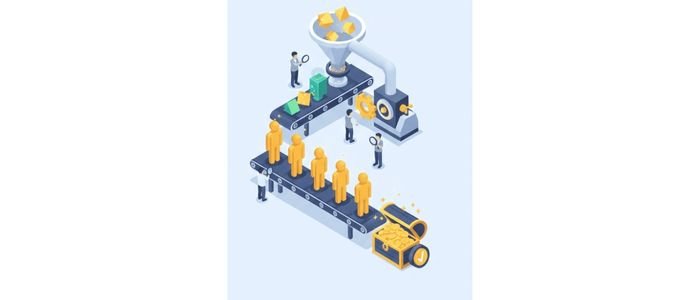
The substance and length of every call and lead is a solid indicator of lead quality. Disconnected or short calls may show low-intent inquiries and vice versa. This metric is use ful for evaluating leads since it confirms that the user is interested. Companies can also spot which types of ads generate calls and leads with the highest engagement. Call quality indicators are:
- Confirmation of homeowner need or location.
- Specific service inquiries mentioned.
- Duration of the conversation.
Conversion Rate (Call → Appointment)
Conversion rate measures how many calls result in real service bookings or appointments. This metric offers a direct view of campaign effectiveness in turning engagement into business results. High conversion rates correlate with high-intent and exclusive leads since these homeowners are less likely t be considering various providers at the same time. Companies can refine their campaigns to attract even more qualified leads and calls by analyzing conversion patterns. Improving conversion rates include:
- Custom ad messaging to set clear expectations.
- Train employees to handle high-intent inquiries efficiently.
- Follow-up instantly on inbound calls and exclusive leads.
ROAS (Return on Ad Spend)
ROAS evaluates the financial efficiency of ad campaigns by comparing advertising spend to revenue generated. This metric is valuable when measuring the impact of high-intent and exclusive leads for home services, since a highly qualified call can generate a large ROI compared to various low-intent inquiries. Tracking ROAS helps companies identify which campaign provides the most revenue and whcich must be optimized or scaled. It reinforces the importance of focusing on lead quality with volume. Below are the ways of optimize ROAS:
- Continuously test creative, offers, and ad copies to improve engagement.
- Adjust targeting based on demographic and geographic performance.
- Prioritize campaigns that generate high-intent and exclusive calls and leads consistently.
4 Best Practices for Sustained Facebook Call Lead Growth
Generating calls and leads from Facebook Ad is only a small portion of the equation for home service companies. Sustained growth requires strategies that ensures that exclusive leads and calls come from high-intent homeowners. Companies can maintain a steady flow of calls and leads that can convert into booked services by focusing on trust-building, timing, creative testing, and audience targeting. Follow best practices to increase call and lead volume.
Test Various Audiences & Ad Variations
Testing multiple audience segments and ad creatives is important for identifying which campaigns generates high-quality and exclusive leads. Even the smallest changes in copy, headlines, and visuals can influence who engaged and whetehr those interactions convert into booked jobs. Advertisers can see which blend attract homeowners who will schedule a service by experimenting with different variations. This method helps maintain focus on exclusive leads and maximize the value of every ad dollar. Key testing considerations are:
- Different ad formats: video, carousel, lead ads, and click-to-call.
- Audience segmentation: interests, homeownership status, location, and age.
- Messaging: Benefit-driven, seasonal, or urgency-focused copy.
Using Social Proof & Customer Reviews
Trust is the main element in motivating homeowners to call. Ads that feature case studies, testimonials, and positive reviews help show professionalism and reliabiliy which increases the chances that only serioues inquiries are made. Social proof ensures that exclusivity of leads by pushing homeowners who are motivated to act and deterring low-intent or casual interactions. Examples of social proof integration are:
- Certifications or star ratings visible in visuals.
- Before-and-after project photos with customer feedback.
- Short testimonials quotes in ad copy.
Schedule Ads for Peak Times
Timing ads to run when homeowners are most likely to call and during peak service hours ensure that responses come from those leads who want to act now. Ads shown at off-peak times might generate inquiries or clicks that are less likely to convert and are less timely. Companies can capture high-quality and exclusive calls and leads by aligning peak engagement periods with ad delivery when they are most likely to result in booked appointments.
Align Seasonal Demand with Offers for Services
Offering services or promotions that correspond to common home issues or seasonal needs naturally attracts homeowners who have instant requirements. For instance, lawn care specials in spring and heating service promotions in winter draw qualified leads who are looking for solutions. Seasonal targeting improve exclusivity since the homeowners who respond are ready to get a service. Seasonal offer benefits are:
- Improves overall conversion rates for phone calls.
- Attracts leads with instant requirements.
- Drives faster action and urgency.
Best Cost Optimization Strategies for High-Quality Call Leads
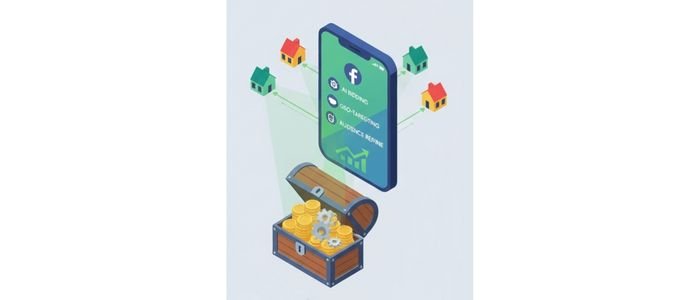
Lowering the cost per call and lead is the main concern for home service companies using Facebook Ads and efficiency must not come at the cost of lead quality. The aim is to generate exclusive and high-intent leads that covert into booked services and maximize the value of advertising dollars. Companies can maintain lead quality and affordability by focusing on bid optimization, testing, and strategy. Effective cost optimization blends continuous analysis with careful planning which ensures that ads reach homeowners who want the services.
I. Optimizing Bid Strategies
Bid optimization is about lowering cost and spending strategically to reach homeowners with a high likelihood of engagement. Adjusting bids to get high-intent audiences help ensure that every call or lead comes from homeowners who is interested in the service which results in high-quality and exclusive leads. Bid optimization tips include:
- Use automated bidding strategies to balance lead exclusivity with cost efficiency.
- Adjust bids based on lead quality and ad performance metrics.
- Focus on priority audience who have more chances of calling.
II. Monitoring Costs Without Sacrificing Quality
Tracking CPA or CPC must always involve a focus on the value of every lead. Matrics like exclusivity, conversion rate, and call duration help ensure that cost reductions must not compromise on quality of inquiries. Best practices for maintaining lead quality are:
- Prioritizing campaigns that produc exclusive leads and high-intent inbound calls consistently.
- Track the percentage of leads that are actionable and unique.
- Evaluate which campaigns engaged and long calls along with high-intent leads.
Integrating Facebook Ads with Other Marketing Channels
Facebook Ads become more effective when they work with other marketing channels which creates a cohesive strategy that reaches homeowners at various touchpoints. Home service companies can increase the chances of generating excluisve, high-intent leads, improve brand recognition, and reinforce messaging by combinig Facebook with channels like direct mail, SMS, email marketing and Google Ads. An integrated strategy ensures that customers see your business in various contexts, guiding them toward an appointment or phone call while building trust.
Coordinating with Google Ads
Using Google Ads and Facebook Ads together enable companies to capture homeowners through search and on social media. Facebook Ads can reach those who might not be looking but match a high-intent customer profile and Google Ads target active searchers. Key integration tactics:
- Focus on audiences who are most likely to call.
- Alignn ad messaging across both platforms for consistency.
- Retarget users who click on Facebook Ads with Google Ads.
Direct Mail, SMS, & Email Support
Direct and offline channels can reinforce Facebook campaigns. Direct mail promotions, SMS reminders, or email newsletters help maintain engagement with customers who previously interacted with ads but did not take action. Effective multi-channel strategies are:
- Coordinate urgent or seasonal service offers across channels.
- Use direct mail for hyper-local campaigns to reinforce ad presence.
- Send follow-up texts and emails after Facebook interactions.
How Facebook Ads Fit into a Full Home Service Marketing Funnel?
Awareness → Engagement → Call → Appointment → Repeat Customer
Facebook Ads are more effective when they are integrated into a complete marketing funnel for home service companies. Such ads support each stage of client journey, from generate awareness to coverting customers into repeated clients. Companies can drive exclusive and high-intent leads and nurture long-term relationships with clients by aligning Facebook campaign with the full funnel. A well-structured funnel ensures that customers move seamlessly from interest to taking action which ultimately increases lifetime value, appointment bookings, and call volume.
Stage 1: Awareness
Facebook Ads introduce the company to customers who might not yet recognize the service, this situation comes at the top of the funnel. This stage focuses on brand recognition and visibility. Tactics for awareness are:
- Target hyper-local audiences to reach clients within the service area.
- Show customer success stories, local expertise, and services.
- Use visualy engaging ads with clear messaging.
Stage 2: Engagement
Ads must build trust and encourage interaction after homeowners are aware. Engagement can include video views, comments, likes, or clicks that indicate interest. Strategies to increase engagement are:
- Reinforce credibility via reviews and testimonials.
- Add interactive elements like short videos or polls.
- Share tips related to home services or educational content.
Stage 3: Conversion (Calls and Appointments)
The next stage pushes customers to take action like scheduling an appointment or calling for service. Ads designed for this phase must feature lead-focused messaging and solid CTAs to capture high-intent and exclusive leads. Conversion best practices are:
- Promote seasonal offers or urgent service availability.
- Retargeting past engagers to increase conversion rates.
- Lead ads and click-to-call for direct inquiries.
Stage 4: Repeat Customer Stage
Facebook Ads can support repeat business and retention after the first appointment. Follow-up campaigns encourage scheduling additional services and maintain brand visibility which reinforces long-term customer relationships. Retention tactics:
- Use retargeting to re-engage previous customers with timely offers.
- Show loyalty referrals incentives or programs.
- Promote maintenance service packages or reminders.
Closing Thoughts
Effective usage of Facebook Ads enable home service companies to reach homeowners in a way that is persuasive and precise. Such campaigns create opportunities that connect companies with customers who are ready to take action. Facebook Ads generate leads and calls while cultivating trust and engagement when executed properly. With the passage of time, this method builds a sustainable pipeline of exclusive leads and high-intent inbound calls which supports stronger customer relationships and long-term growth.
FAQs
How to get leads and calls from Facebook Ads?
To get leads and calls from Facebook Ads, create a campaign with Call Ads-friendly objectives, set the conversion to “calls”, add your business number, and publish.
What is the purpose of Facebook Ads?
Facebook Ads help companies reach right audience and achieve specific goals by targeting the ideal customer and setting a clear objective.
How to target homeowners via Facebook Ads?
You can target homeowners with Facebook Ads by using location, age, homeownership status, home-improvement interests to reach customers in your service area.
Are Facebook Ads cost-effective for a small local home service company?
Yes. Ads can be hyper-targeted to reduce wasted spend, scaled according to budget, and optimized to attract homeowners only who have more chances of converting which maximizes ROI.


Leave a Reply