

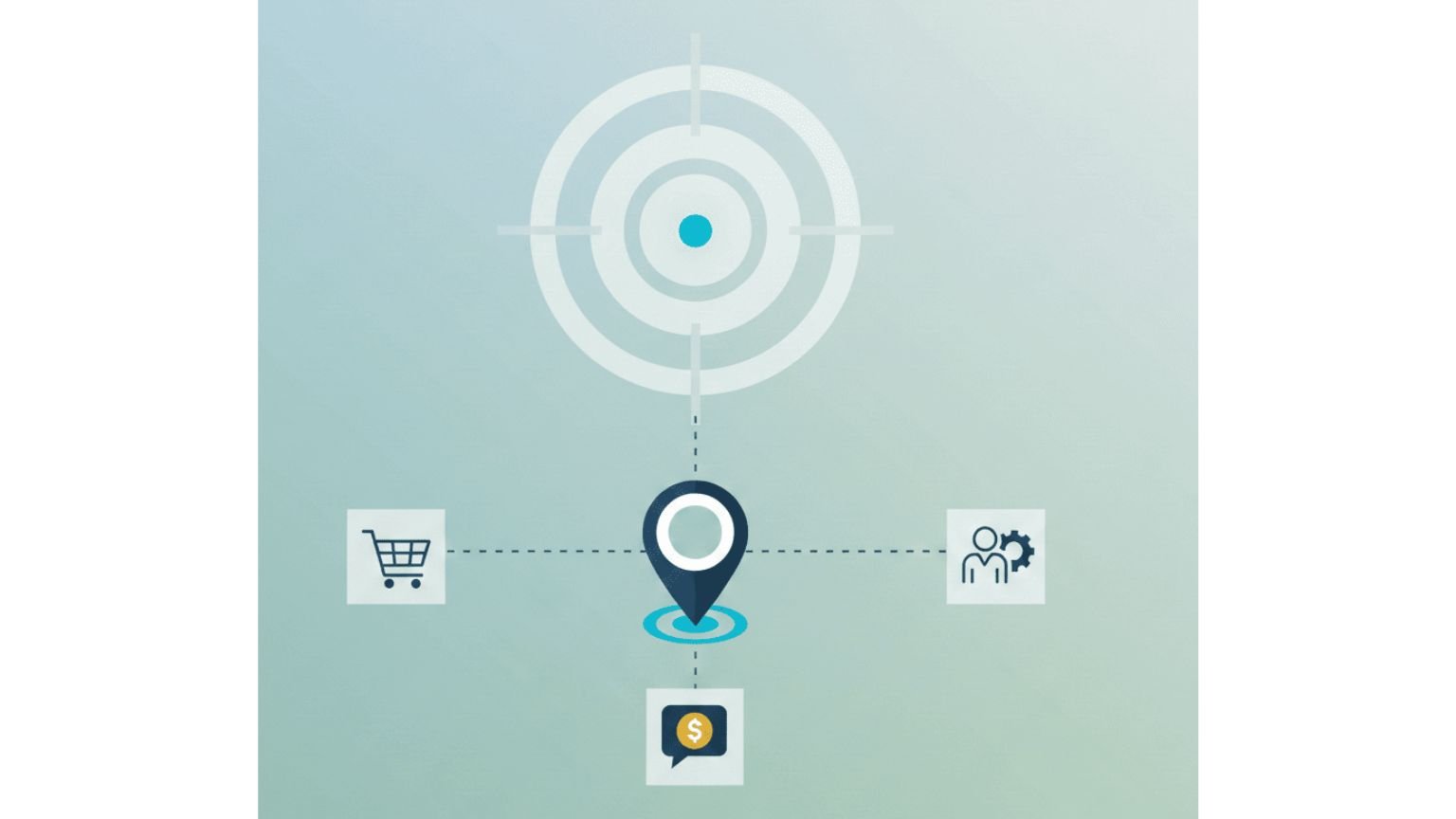
In today’s competitive marketplace, local targeting has become an essential strategy for businesses aiming to grow efficiently. Local targeting in marketing refers to tailoring your promotional efforts to reach customers within a specific geographic area, such as a city, neighborhood, or zip code. Instead of casting a wide net across an entire country or region, businesses focus on connecting with people who are most likely to visit their store, use their service, or make a purchase nearby. For small and medium-sized businesses, this approach is especially valuable. By concentrating on a well-defined audience, companies can maximize their marketing dollars, attract customers who are ready to engage, and build stronger relationships within their community.
Local targeting ensures that campaigns are relevant, timely, and aligned with the needs and preferences of nearby consumers. The impact of local targeting is evident in consumer behavior. Whether it’s a neighborhood restaurant, a plumbing service, or a boutique shop, reaching customers in their immediate area can dramatically increase visibility, trust, and sales. The global location-based advertising market, valued at $107.71B in 2024, is expected to reach $140.54B in 2026, growing at a 14.23% CAGR. By understanding and embracing the power of local targeting, businesses can achieve growth that is both measurable and sustainable.
Understanding Your Local Audience
To grow effectively, businesses must first understand the people they are trying to reach. Knowing your local audience is the foundation of any successful marketing strategy. By understanding who lives in your area, what they value, and how they behave, businesses can craft campaigns that truly resonate.
The Importance of Local Demographics
Local demographics include factors like age, income, occupation, family size, and education level. Understanding these details helps businesses identify who is most likely to buy their products or use their services. For example, a high-end café in a city center may focus on young professionals, while a playground equipment store may target families with children. Knowing demographics allows businesses to prioritize resources and avoid wasting effort on audiences unlikely to engage.
Understanding Preferences and Behavior
Beyond demographics, it’s critical to understand local preferences and behavior. This includes how people shop, what times they are most active, and which communication channels they prefer. Some neighborhoods may respond better to social media campaigns, while others rely more on word-of-mouth or email promotions. By observing local behavior patterns, businesses can design strategies that meet potential customers where they already spend their time.
Personalized Marketing Through Local Targeting
Local targeting makes it possible to deliver personalized messages tailored to the community. Businesses can customize promotions to suit seasonal trends, cultural events, or local weather conditions. Personalization also extends to tone, visuals, and offers that reflect the local culture. This approach increases engagement and creates a sense of connection between the business and the community. By taking the time to understand the local audience, businesses can create marketing campaigns that are highly relevant, targeted, and effective, ensuring that their efforts lead to meaningful engagement and measurable growth.
The Psychology Behind Local Consumer Behavior

Understanding why consumers make certain choices is critical for businesses aiming to grow in their local area. Local consumer behavior is shaped by a combination of convenience, trust, and emotional connection. Recognizing these psychological factors can help businesses design marketing strategies that appeal directly to nearby customers.
Why People Prefer Nearby Businesses
Consumers tend to favor local businesses because they are familiar, accessible, and perceived as more reliable. Proximity provides reassurance that if something goes wrong, support is nearby. Additionally, many people feel a sense of responsibility or loyalty to their community, preferring to support businesses that contribute locally.
Convenience: Several psychological drivers influence local purchasing decisions. Reduced travel time and effort make local businesses more appealing. Quick access to products or services satisfies immediate needs, especially for urgent requirements like plumbing or food delivery.
Trust: Local businesses often build trust faster through visible presence and word-of-mouth recommendations. Consumers feel confident interacting with businesses they see regularly in their community.
Emotional Connection: People feel connected to brands that reflect their local culture or participate in community events. Supporting local businesses can create a sense of pride and belonging, turning customers into loyal advocates.
How Proximity Affects Purchasing Decisions
The closer a business is to the consumer, the more likely they are to choose it over distant competitors. Even small distances can influence decisions, especially for frequent or urgent needs. Proximity also affects how often customers interact with the business. Regular encounters, visible branding, and quick accessibility reinforce brand recognition and preference. By understanding these psychological patterns, businesses can create marketing strategies that tap into convenience, trust, and emotional appeal, driving local engagement and repeat business.
a. Better ROI Compared to Broad Marketing
Focusing marketing efforts on a local audience can provide a significantly higher return on investment (ROI) than broad, national campaigns. By targeting a smaller, more specific group of potential customers, businesses can spend less while achieving better results. Local campaigns allow companies to reach motivated buyers without diluting their budget on audiences that may never convert.
Spending Marketing Dollars Locally is Cheaper and More Effective
Local marketing campaigns often require smaller budgets compared to nationwide initiatives. Ads, social media promotions, and local search campaigns can be optimized to reach only the most relevant audience. This reduces wasted spending on uninterested users and ensures that marketing dollars go directly toward potential customers likely to take action.
Key Benefits of Local Budgeting
- Lower advertising costs per impression or click compared to national campaigns.
- Ability to run multiple localized campaigns simultaneously without exceeding budget.
- Easier to adjust and optimize campaigns based on immediate results.
Reduced Competition in a Targeted Area Leads to Higher Conversion Rates
When marketing is focused locally, businesses face fewer competitors vying for the same audience. Unlike national campaigns where major brands dominate visibility, local businesses can stand out more easily in search results, social media, and community platforms. This increases the likelihood that potential customers will choose them over distant alternatives.
Cost vs. Results Comparison: Local vs. National Campaigns
Local campaigns allow for a more measurable ROI because results are easier to track. Small businesses can directly connect marketing efforts to leads, foot traffic, or sales. Investing in local marketing ensures that resources are focused on a relevant audience, producing measurable outcomes and maximizing overall ROI. By contrast, national campaigns often require higher spending and can be harder to quantify in terms of immediate returns.
- Local campaigns often generate higher lead-to-sale ratios.
- National campaigns may increase brand awareness but not immediate conversions.
- Targeted ads can yield a fraction of the cost for similar or better results.
Local inbound calls often lead to higher conversions because the customer is actively reaching out, showing stronger intent than a typical web form lead. For a deeper look at this topic, check out “Why Local Inbound Calls Convert Better Than Web Leads”.
b. Building Trust Within the Community
Trust is a cornerstone of successful local marketing. Businesses that focus on their community can establish credibility and foster lasting relationships with their customers. By engaging directly with nearby residents, companies gain a reputation as dependable, approachable, and invested in the area’s wellbeing.
Local Businesses Have an Advantage in Creating Credibility and Loyalty
Local businesses are often more visible and accessible than larger national brands. This familiarity naturally builds trust because customers can see and interact with the business regularly. Small businesses can respond quickly to inquiries, solve issues personally, and demonstrate reliability in ways larger corporations cannot.
Ways Local Presence Builds Credibility
- Consistent visibility in the neighborhood reinforces recognition.
- Personalized customer interactions create a sense of care and attention.
- Demonstrating knowledge of local needs enhances the perception of expertise.
Community Engagement Strengthens the Brand
Active involvement in the community helps businesses connect beyond transactions. Sponsoring local events, participating in charity drives, or hosting workshops shows that the company values the community, not just profit. Such activities make customers feel a personal connection to the brand and encourage them to support it.
Word-of-Mouth and Social Proof from Local Customers

Local trust spreads quickly through word-of-mouth, one of the most effective forms of marketing. Satisfied customers often share their experiences with friends, neighbors, or on local review platforms. By building trust within the community, businesses create loyal customers, generate repeat sales, and enhance their reputation, all of which are critical for sustained local growth. Positive reviews, testimonials, and referrals act as social proof, encouraging new customers to choose the business over competitors.
Key Points on Social Proof
- Recommendations from neighbors carry more weight than generic online ads.
- Online reviews on platforms like Google My Business or Yelp enhance credibility.
- Highlighting local success stories strengthens the brand’s reputation.
For example, strategies like “Boosting Brand Trust Through Localized Inbound Call Campaigns” show how dialing in on inbound calls tailored to a local audience can enhance brand credibility and community connection by directly engaging nearby customers.
c. Adapting Strategies for Different Local Channels
Reaching a local audience effectively requires using the right channels and adapting marketing strategies to each platform. Different channels offer unique opportunities to connect with nearby customers, engage them meaningfully, and drive action. Businesses that tailor their approach for each local channel can increase visibility, engagement, and conversions.
Localized Social Media Campaigns
Social media platforms allow businesses to interact directly with the local community. Tailoring content for a specific area ensures that posts, ads, and promotions are relevant and engaging. Localized campaigns also help build relationships with followers who are most likely to become customers.
Tips for Local Social Media Marketing
- Create content that reflects local events, holidays, or culture.
- Use location tags and hashtags to reach area-specific audiences.
- Engage with comments and messages promptly to foster community interaction.
Geo-Targeted Ads (Google Ads, Facebook Ads)
Geo-targeting allows businesses to show ads specifically to users within a defined radius or location. This ensures marketing spend is focused on individuals who are physically near the business and more likely to convert. Geo-targeted ads can be especially effective for businesses offering time-sensitive services or products.
Best Practices for Geo-Targeted Ads
- Set clear radius boundaries around your store or service area.
- Use local keywords in ad copy to increase relevance.
- Monitor performance regularly and adjust targeting for better results.
Email Marketing and SMS Campaigns to Nearby Customers
Email and SMS campaigns remain powerful tools for local marketing. Sending targeted messages to subscribers within your area allows businesses to promote offers, events, or updates that matter most to local customers. By adapting strategies to different local channels, businesses can reach the right people with the right message at the right time, ensuring marketing efforts are relevant, efficient, and highly effective. Personalization in these messages increases engagement and encourages immediate action.
Key Elements for Local Email and SMS Campaigns
- Segment lists based on geographic location or zip codes.
- Highlight local promotions, events, or news in messaging.
- Include clear calls-to-action like store visits or appointment scheduling.
For businesses offering specialized services, it’s also possible to buy chimney cleaning leads online to connect with ready‑to‑hire customers.
d. Mobile Searches and Local Intent
Mobile devices have transformed the way people search for products and services. A significant portion of local searches now happens on smartphones, making mobile optimization a critical part of any local marketing strategy. Understanding local intent on mobile devices allows businesses to reach customers when they are actively seeking immediate solutions nearby.
Most “Near Me” Searches Happen on Mobile Devices
Studies show that the majority of “near me” searches occur on mobile devices. Consumers turn to their smartphones to find local businesses while on the move, expecting fast and relevant results. This trend highlights the importance of having mobile-friendly websites, accurate location information, and quick-loading landing pages.
Key Mobile Search Insights
- Over 70% of mobile searches for local businesses result in a store visit within 24 hours.
- Mobile users often prefer call buttons, maps, and click-to-directions features for convenience.
- Businesses that appear in mobile search results are perceived as more trustworthy and accessible.
How Local Targeting Aligns with On-the-Go Consumers
Local targeting ensures that marketing messages reach potential customers exactly when they need them. By focusing on mobile users, businesses can capture attention during moments of immediate intent. By understanding mobile searches and local intent, businesses can reach customers at the right moment with relevant, actionable information, improving engagement and driving immediate results. This approach aligns perfectly with the behavior of consumers who are out shopping, commuting, or facing urgent needs.
Optimizing for Mobile and Local Searches
- Ensure websites are mobile-friendly with easy navigation.
- Use location extensions in ads for Google and social media campaigns.
- Include click-to-call buttons, map links, and store hours for convenience.
- Track mobile search behavior to refine targeting and campaign strategies.
For more insight into why capturing calls from ready‑to‑buy local customers is so important, see “Why Every Home Service Business Needs a Call‑Driven Marketing Strategy” from HoomAdvertising.
e. Seasonal and Regional Marketing

Marketing that considers seasonal changes and regional factors can make campaigns more relevant and effective. Businesses that adjust their strategies based on local conditions show customers that they understand the community and its specific needs. Seasonal and regional marketing helps attract attention, drive engagement, and encourage timely action from potential customers.
Adjusting Campaigns Based on Local Holidays, Weather, or Events
Consumers respond more positively to messages that align with what is happening around them. Local holidays, climate changes, and community events provide excellent opportunities to tailor marketing campaigns. By customizing promotions to fit these factors, businesses can make their products or services feel more relevant and necessary.
Showing Businesses Understand the Local Context
When campaigns reflect the local environment and culture, customers perceive the business as knowledgeable and attentive. This creates a stronger connection, encourages trust, and increases the likelihood of engagement. By factoring in seasonal trends and regional specifics, businesses can ensure their marketing resonates with the local audience, encouraging timely decisions and fostering loyalty within the community. Consumers are more likely to choose a business that demonstrates awareness of their unique needs and conditions.
Benefits of Contextual Local Marketing
- Builds stronger relationships with the community.
- Increases the relevance and effectiveness of advertising spend.
- Enhances brand reputation by showing that the business is tuned into local needs.
f. Competitor Insights and Local Market Gaps
Understanding the local competitive landscape is essential for businesses that want to stand out. Analyzing competitors and identifying gaps in the local market allows companies to position themselves strategically. This approach helps small businesses uncover opportunities that larger brands may overlook.
Researching Competitors in Your Area
Knowing who your local competitors are and what they offer provides valuable insights. Businesses can study their services, pricing, promotions, and customer feedback to understand where they excel and where they fall short. This information helps identify untapped opportunities and informs decisions on how to differentiate your offerings.
Key Areas to Analyze
- Services or products competitors provide and what they may be missing.
- Customer reviews highlighting pain points or unmet needs.
- Marketing channels competitors are using and their effectiveness.
Targeting a Local Niche to Compete with Bigger Brands
Focusing on a specific local niche allows small businesses to compete effectively against larger companies. By catering to the unique needs of a smaller audience, businesses can provide specialized services, personalized experiences, and better customer support. Identifying local market gaps and leveraging competitor insights enables businesses to position themselves strategically. By targeting underserved needs or niches, small businesses can compete confidently and achieve meaningful growth within their community.
Benefits of Local Niche Targeting
- Less direct competition with national or regional chains.
- Opportunity to build stronger relationships with a loyal local customer base.
- Ability to offer tailored promotions and messaging that resonate with the community.
g. Local Partnerships and Collaborations
Working together with other businesses and organizations in the community can significantly enhance a local brand’s presence. Local partnerships and collaborations create opportunities for shared resources, cross-promotion, and increased credibility. By building strong relationships with nearby businesses, companies can expand their reach and strengthen community ties.
Collaborating with Other Local Businesses or Organizations
Forming partnerships allows businesses to leverage each other’s strengths and audiences. Collaborations can range from joint marketing campaigns to shared events or bundled services. Partnering with organizations that share similar values or target audiences can amplify visibility and attract new customers efficiently.
Cross-Promotions and Community Events
Cross-promotions allow businesses to market each other’s products or services to their respective customer bases. Similarly, community events provide a platform to engage with residents, create brand awareness, and foster a sense of local connection. These efforts can position a business as an active and valued member of the community.
Ways to Utilize Cross-Promotions and Events
- Joint social media campaigns highlighting partner products or services.
- Hosting local fairs, charity drives, or seasonal events together.
- Offering discounts or incentives when customers use services from partner businesses.
Building Both Visibility and Credibility
Collaborations also enhance trust and credibility. When a business partners with a respected local organization, it benefits from the partner’s established reputation. At the same time, consistent community engagement increases visibility and shows commitment to the area. Through strategic partnerships and collaborations, businesses can grow their reach, establish trust, and reinforce their role within the community, making these strategies essential for long-term local success.
Key Benefits
- Strengthens brand recognition within the local community.
- Demonstrates commitment to supporting local businesses and initiatives.
- Encourages positive word-of-mouth through mutual customer networks.
Looking to buy electrician leads online and connect with nearby customers ready to hire local electrical services? Check out Electrician Leads on hoomadvertising.com
h. Reviews, Reputation, and Local Social Proof
In today’s digital age, a business’s online reputation plays a crucial role in attracting local customers. Reviews, testimonials, and social proof provide valuable insight into a company’s reliability and quality of service. Positive feedback from local clients can significantly influence purchasing decisions and strengthen a business’s presence in the community.
How Online Reviews Impact Local Growth

Online reviews on platforms like Google, Yelp, and Facebook help businesses appear trustworthy to potential customers. High ratings and detailed reviews increase visibility in local search results and encourage people to choose your business over competitors. Reviews also provide social validation, showing that other residents in the area have had positive experiences.
Key Points on Online Reviews
- Businesses with higher ratings attract more clicks and inquiries.
- Detailed reviews give potential clients a clear understanding of services offered.
- Regularly responding to reviews shows attentiveness and professionalism.
Encouraging Customers to Leave Feedback
Actively seeking customer feedback can boost credibility and expand your social proof. Encouraging satisfied customers to leave reviews increases the quantity and quality of testimonials, which can directly impact local engagement.
Ways to Collect Feedback
- Send follow-up emails or SMS after a service is completed.
- Offer incentives, like discounts or loyalty points, for submitting reviews.
- Make review submission simple with direct links to Google or Yelp pages.
Role of Local Testimonials in Attracting New Clients
Local testimonials carry more weight than generic marketing claims. When potential customers see endorsements from people in their own community, trust is established quickly. Testimonials can be displayed on websites, social media, or in-store to reinforce credibility and encourage new clients to engage. By leveraging reviews, reputation, and local testimonials, businesses can strengthen trust, increase visibility, and create a compelling reason for new customers to choose them over competitors.
Benefits of Local Testimonials
- Builds confidence in the business’s reliability and quality.
- Highlights community satisfaction and positive experiences.
- Encourages referrals and repeat business through visible social proof.
i. Local Events and Sponsorship Opportunities
Participating in local events and sponsorships provides businesses with a direct connection to the community. Engaging in fairs, festivals, or charity initiatives allows companies to showcase their brand, meet potential customers, and create a lasting impression. These activities demonstrate that a business is committed to supporting its local area while increasing visibility and credibility.
Promoting Participation in Local Events
Taking part in community events allows businesses to interact with residents in a meaningful way. Active participation can include setting up booths, hosting activities, or providing services during the event. Being present where your customers spend time builds familiarity and trust.
Ways to Participate in Local Events
- Set up a booth or display at a neighborhood fair or festival.
- Offer free samples, demonstrations, or informational sessions.
- Volunteer or collaborate with organizers to provide services during charity events.
How Sponsoring Local Events Boosts Brand Awareness
Sponsoring events is an effective way to gain exposure to a targeted local audience. Your brand is highlighted in promotional materials, signage, and announcements, increasing recognition among attendees. Sponsorships also show that a business invests in the community, which builds credibility and goodwill. By strategically participating in and sponsoring local events, businesses can strengthen their community presence, increase brand awareness, and foster long-term customer loyalty.
Benefits of Event Sponsorship
- Visibility to local residents and potential customers.
- Association with positive community initiatives enhances reputation.
- Opportunities for networking and building partnerships with other local businesses.
j. Influencer & Community Marketing Locally
Partnering with local influencers and engaging community networks is a highly effective way to build awareness and trust. Local influencer and community marketing focuses on leveraging trusted voices within a neighborhood or city to connect with potential customers more authentically. These strategies allow businesses to reach highly targeted audiences who are already invested in their community.
Partnering with Local Influencers or Micro-Influencers
Local influencers have a strong connection with their followers in a specific area, making their endorsements more relevant and trustworthy. Collaborating with them can help businesses reach potential customers in a natural, organic way that traditional ads may not achieve.
Ways to Work with Local Influencers
- Feature products or services in influencer posts or stories.
- Invite influencers to events, launches, or special promotions.
- Offer giveaways or exclusive discounts through influencer channels.
Leveraging Local Social Networks or Community Groups
Community groups, both online and offline, are excellent platforms for engagement. Facebook groups, neighborhood apps, or local forums allow businesses to communicate directly with residents, share updates, and promote offerings to a focused audience. These interactions help build credibility and foster word-of-mouth marketing. By using local influencer partnerships and community networks, businesses can effectively amplify their reach, build trust within the neighborhood, and encourage engagement with the right audience.
Strategies for Community Engagement
- Join local social media groups to share events, news, or offers.
- Participate in discussions and answer questions to establish expertise.
- Collaborate with local organizations or clubs to increase visibility.
k. Hyper-Local Marketing Strategies
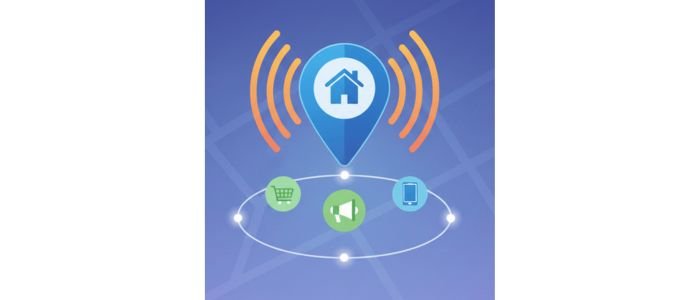
Hyper-local marketing focuses on reaching customers in a very specific geographic area. Instead of targeting an entire city or region, businesses narrow their focus to streets, neighborhoods, or zip codes. This strategy ensures that marketing messages are highly relevant, increasing engagement and the likelihood of conversion.
Targeting Streets, Zip Codes, or Neighborhoods
By breaking down the audience into smaller geographic units, businesses can deliver promotions and campaigns that directly address the needs of that community. Hyper-local targeting reduces wasted ad spend and allows companies to compete effectively in areas that matter most.
Key Methods of Hyper-Local Targeting
- Use geo-fencing technology to show ads to users in a specific neighborhood.
- Send location-specific offers via SMS or email to residents in a zip code.
- Promote events or services only in areas where customers are most likely to attend.
Custom Messaging per Micro-Region to Boost Engagement
Tailoring messages for individual neighborhoods or streets allows businesses to speak directly to the local audience. This approach can include references to local landmarks, events, or community culture, making the communication feel personal and relevant. Hyper-local marketing ensures that businesses connect with the right audience at the right time, providing a sense of personalization that strengthens trust, engagement, and ultimately, local growth.
l. Local Retargeting Strategies
Retargeting is a powerful way to re-engage potential customers who have already interacted with your business. Local retargeting strategies focus on individuals within a specific area, ensuring that marketing messages reach people who are most likely to return. By targeting previous visitors, businesses can increase conversion rates and build stronger relationships with the local audience.
Using Retargeting Ads to Reach Previous Visitors
Retargeting ads allow businesses to remind customers about products, services, or promotions after they’ve visited a store or website. This approach keeps the brand top-of-mind and encourages potential clients to complete a purchase or take the next step.
Key Retargeting Methods
- Display ads on social media platforms targeting local users who visited your website.
- Use geo-targeted ad campaigns to reach past in-store visitors.
- Employ dynamic ads that show products or services previously viewed by the customer.
Personalized Campaigns for Returning Local Customers
Personalization enhances the effectiveness of retargeting by making campaigns relevant to individual behavior. Tailored messages can reflect past interactions, purchases, or preferences, making customers feel valued and understood. By using local retargeting strategies, businesses can re-engage interested customers, increase conversion rates, and strengthen relationships with the community, ensuring marketing efforts are efficient and highly effective.
To learn more about driving local leads and increasing ROI through search optimization, check out “Maximizing ROI with Local SEO for Home Services”.
The Role of Local Culture and Language
Understanding and incorporating local culture and language into marketing helps businesses connect more deeply with their audience. Using familiar expressions, cultural references, or neighborhood-specific messaging makes campaigns more relatable and increases engagement. Businesses that speak the language of their community are more likely to build trust and loyalty.
Using Local Idioms, Tone, or Cultural References
Incorporating local phrases, humor, or cultural touchpoints shows customers that the business is part of the community. It also makes the brand feel approachable and authentic. Messaging that reflects local traditions, humor, or common expressions resonates more strongly than generic campaigns.
Tailoring Messaging for Neighborhoods, Towns, or Regions
Different areas may have distinct preferences, values, or cultural norms. By tailoring messaging to specific towns or neighborhoods, businesses ensure that their campaigns feel relevant and personalized. This localized approach improves engagement and demonstrates a commitment to understanding the community. By respecting and integrating local culture and language, businesses can strengthen connections with residents, enhance relatability, and make marketing efforts more effective in each community they serve.
Ways to Tailor Messaging Locally
- Create neighborhood-specific offers or promotions.
- Adjust tone or visuals to match local tastes and expectations.
- Highlight participation in local events or community initiatives.
Tracking and Measuring Local Success
Monitoring the effectiveness of local marketing campaigns is essential for businesses looking to grow within their community. Tracking and measuring local success allows companies to understand which strategies work, optimize efforts, and maximize ROI. By analyzing relevant metrics, businesses can make data-driven decisions and refine their campaigns for better results.
How to Monitor Foot Traffic, Calls, and Local Leads
Foot traffic, phone calls, and online inquiries are key indicators of local engagement. Tracking these interactions helps businesses determine which marketing efforts are driving customers to take action. By analyzing patterns, businesses can identify the most effective channels and adjust strategies accordingly.
Methods for Monitoring Local Engagement
- Use in-store counters or sensors to measure foot traffic.
- Implement call tracking numbers to see which campaigns generate phone inquiries.
- Track form submissions and inquiries from local visitors on the website.
Importance of Tools Like Google My Business and Local Analytics Dashboards
Digital tools provide businesses with actionable insights about their local audience. Platforms like Google My Business allow businesses to monitor search visibility, customer reviews, and map interactions. Local analytics dashboards consolidate data from multiple sources, giving a clear picture of campaign performance in real-time. By systematically tracking foot traffic, leads, and engagement metrics, businesses can evaluate local campaigns, identify areas for improvement, and ensure marketing investments deliver tangible results within the community.
Benefits of Using Local Analytics Tools
- Track location-specific engagement and conversions.
- Monitor trends in customer behavior and interests.
- Compare the performance of different campaigns to allocate resources efficiently.
Conclusion
Focusing on local marketing is more than a strategy—it’s a way to connect meaningfully with the people around you. By understanding your community, tailoring messages, and leveraging neighborhood-specific opportunities, businesses can build trust, loyalty, and visibility. From social media campaigns to local events, every effort that speaks directly to nearby customers creates stronger engagement and better results. Tracking performance and refining strategies ensures resources are spent wisely, making growth both measurable and sustainable. Embracing local targeting empowers businesses to thrive where it truly matters—their own backyard.
To grow your customer base with high‑intent local prospects, you can buy dumpster rental leads online.
FAQs
What is local targeting in marketing?
Local targeting is focusing marketing efforts on a specific geographic area, like a city, neighborhood, or zip code, to reach potential customers nearby.
Why is local marketing important for small businesses?
It helps small businesses reach nearby customers, build trust, reduce marketing costs, and increase conversions.
How can businesses target local customers online?
Through local SEO, geo-targeted ads, social media campaigns, and location-based email or SMS marketing.
What is hyper-local marketing?
It targets very specific areas, like streets or neighborhoods, with customized messages for better engagement.


Leave a Reply